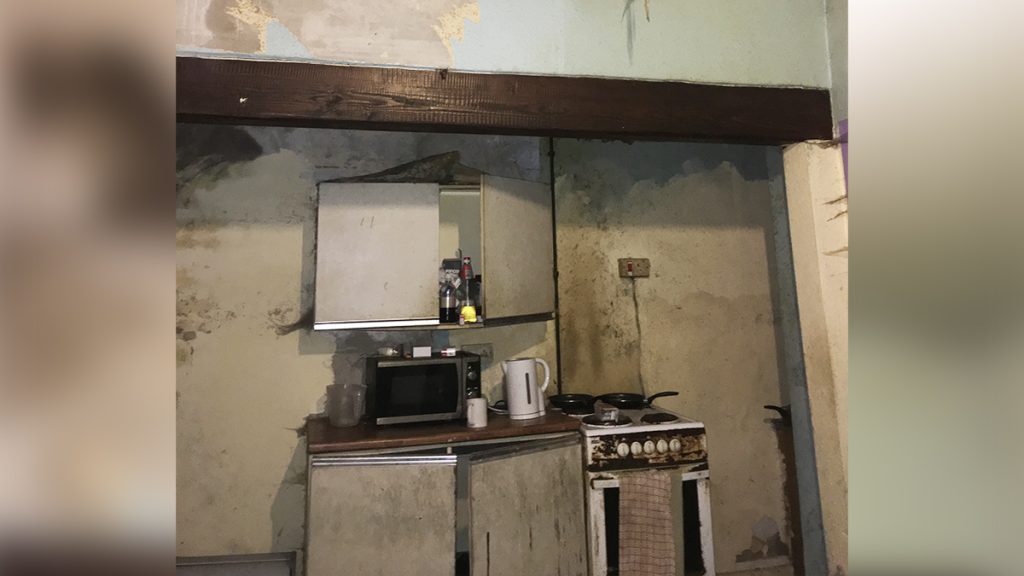
Subsidence – the gradual sinking or downward movement of the ground beneath a building – is one of the most common structural concerns we deal with at Property Rescue. Over the past 15 years, we’ve purchased hundreds of properties affected by subsidence across England and Wales, and the question homeowners ask us more than almost any other is: how much will this actually knock off my property’s value?
The honest answer is that it depends. We’ve bought properties where minor, historical subsidence barely dented the price, and others where active movement made the home virtually unsellable on the open market. In this guide, we’ll walk you through what drives the devaluation, how to spot the warning signs, what repairs typically cost, and the realistic options available if you need to sell.
The impact of subsidence on property value
From our experience buying these properties, the impact on value comes down to three main factors: how severe the subsidence is, whether it’s still active or has been resolved, and what it will cost to put right. A property with a clean structural engineer’s report confirming historical subsidence that was properly underpinned five years ago is a very different proposition to one with active, unresolved movement and visible cracking.
Severity of subsidence
The severity of subsidence is the single biggest factor in how much value is lost. Structural engineers and building surveyors in the UK use the classification system set out in BRE Digest 251 (Assessment of damage in low-rise buildings), published by the Building Research Establishment, to categorise crack damage across six levels:
| Category | Crack Width | Description | Repair Needed |
| 0 | < 0.1mm | Hairline cracks, negligible | None required |
| 1 | Up to 1mm | Fine cracks, mostly internal | Normal decoration |
| 2 | Up to 5mm | Easily filled; doors and windows may stick slightly | Filler and redecoration |
| 3 | 5–15mm | Doors and windows sticking; weather-tightness impaired; service pipes may fracture | Mason repair; repointing; some brickwork replacement |
| 4 | 15–25mm | Severe – walls leaning or bulging; floor sloping noticeably; beams losing bearing | Breaking out and replacing wall sections |
| 5 | > 25mm | Very severe structural damage; danger of instability; beams lose bearing | Major repair or partial/complete rebuilding |
Source: BRE Digest 251, bregroup.com
The key takeaway here is that cracks don’t need to be enormous to signal a serious problem. Cracks of just 5mm or more (Category 3) may already indicate foundation movement that requires structural investigation. We’ve seen buyers pull out of sales over cracks that the homeowner had dismissed as cosmetic, so it’s always worth getting a structural engineer’s assessment sooner rather than later.
Location and soil type
Where your property is built matters enormously. The vast majority of subsidence in England and Wales is caused by the shrinking and swelling of clay-rich soils, which the British Geological Survey (BGS) describes as “one of the most damaging geohazards in Britain today, costing the economy an estimated £3 billion over the past decade.”
Properties built on clay formations – particularly London Clay, Weald Clay, Oxford Clay, and similar deposits common across the South East, East Anglia, and parts of the Midlands – are most vulnerable. These clay soils absorb water when wet and shrink when dry, and this seasonal movement can be enough to shift foundations, especially on older properties with shallower foundations built before modern building regulations came into force.
In our experience buying across England, the properties we see with the worst subsidence tend to be pre-1950s homes on clay soils, often made worse by nearby mature trees drawing moisture from the ground. The BGS warns that with climate change driving warmer, drier summers, the number of properties affected by shrink-swell subsidence is projected to rise significantly in the decades ahead. You can check your area’s risk using the BGS’s free online shrink-swell hazard maps.
Repair history
The distinction between active and historical subsidence is crucial when it comes to value. If your property has been professionally underpinned and a structural engineer has signed off the work, the devaluation is typically far less than if subsidence is ongoing and unresolved.
That said, even historical subsidence leaves a mark. Insurance claims are recorded on the Claims and Underwriting Exchange (CUE) database, and any prospective buyer’s surveyor will flag a history of movement. We’ve found that buyers who do proceed on properties with historical subsidence almost always negotiate hard on the price, and most mortgage lenders will require a satisfactory structural engineer’s report before they’ll approve a loan.
How much does subsidence devalue a property?
The figure commonly cited online is around 20%, but from what we’ve seen first-hand, the reality is far more nuanced and case-specific.
The devaluation broadly comes down to three components: the cost of repairs, the time those repairs will take (during which the property may not be rentable or sellable), and what we’d call the “stigma discount” – the additional reduction buyers apply simply because a property has a subsidence history, even after repairs are complete.
To give some real-world context from our experience:
- Minor historical subsidence (professionally repaired, clean structural report, no ongoing movement): devaluation of roughly 5–10%. Mortgage lenders will generally still lend, though insurance may cost more.
- Moderate active subsidence (requiring underpinning but structurally salvageable): devaluation of around 15–25%. Most mortgage lenders won’t touch it, so you’re limited to cash buyers.
- Severe active subsidence (extensive structural damage, major works required): devaluation of 25% or more. In the worst cases we’ve encountered, the property becomes essentially unsellable on the open market until repairs are carried out.
One of the biggest factors many homeowners overlook is that subsidence often makes a property unmortgageable. When mortgage lenders won’t approve a loan on a property with active subsidence, your buyer pool shrinks to cash purchasers only – typically investors, developers, or specialist companies like us. A smaller pool of buyers inevitably means lower offers.
Identifying signs of subsidence
Spotting subsidence early can save you a great deal of money and stress. According to the BRE and the Association of British Insurers (ABI), the key warning signs to look out for include:
- Diagonal or stepped cracks appearing in walls, particularly around doors and windows, that are wider at the top than the bottom. Cracks of 3mm or more that are visible both internally and externally warrant professional investigation.
- Doors and windows that stick, jam, or no longer close properly – this can indicate that the frame has been distorted by structural movement.
- Noticeably uneven or sloping floors.
- Gaps appearing between walls and the ceiling or skirting boards.
- Cracks where an extension meets the main building.
- Wallpaper wrinkling or rippling at the wall-ceiling join.
Not every crack is subsidence. Hairline cracks (under 2mm) are extremely common in older buildings and are usually caused by normal thermal expansion, minor settlement, or plaster shrinkage rather than foundation movement. However, if you notice cracks that are growing wider over time, or if several of these signs are appearing together, don’t delay in contacting a structural engineer or chartered surveyor for a proper assessment.
Repairing subsidence: methods and costs
If subsidence is confirmed, addressing it promptly protects both the structural safety of the building and its long-term value. The main repair method is underpinning – strengthening or extending the existing foundations to reach more stable ground. According to data from Checkatrade and MyJobQuote, the average cost of underpinning a house in the UK currently falls between £6,000 and £25,000, with an overall average of around £13,000–£13,500.
Underpinning methods
There are several approaches, and the right one depends on the ground conditions, the severity of the movement, and the property itself. Costs per square metre, based on current estimates from Mainmark UK, are roughly:
- Mass concrete underpinning: around £1,500 per square metre. The traditional method, which involves excavating beneath the existing foundations in stages and pouring concrete. Cost-effective but time-consuming, typically taking 3–6 weeks.
- Beam and base underpinning: around £2,000 per square metre. A reinforced concrete beam is constructed below the existing footing to spread the load more evenly.
- Mini-piled underpinning: around £2,600 per square metre. The most expensive option, but necessary where deep foundations are required or ground conditions are variable. Piles are drilled into the ground and reinforced with steel or concrete.
- Resin injection: around £1,200 per square metre. A modern, less invasive alternative where expanding polyurethane resin is injected into the ground beneath the foundations to fill voids and stabilise the soil. Typically completed in a single day, though not suitable for all types of subsidence.
Bear in mind that these are the underpinning costs alone. You may also need to budget for a structural engineer’s assessment (from around £300 for an initial inspection, or £2,500–£5,000 for full project oversight), building control fees, and a party wall agreement if you share walls with a neighbour (which can cost up to £1,000 per neighbour). Costs also tend to be higher in London and the South East.
Additional repair costs
Once the foundations have been stabilised, there are often follow-on repairs needed to address the damage caused by the subsidence itself:
- Brickwork repairs (repointing and replacing damaged bricks): materials cost approximately £120 per square metre, with labour rates of £150–£400 per day for an experienced bricklayer depending on your region.
- External wall rendering: approximately £60–£80 per square metre, including materials and labour.
- Window and door frame replacement: from around £300–£500 per frame, though this varies widely depending on the material and specification. Note that it’s important to stabilise the foundations first before replacing frames, as ongoing movement would damage replacements too.
Insurance coverage for subsidence
Standard buildings insurance in the UK typically covers subsidence damage, though there are important caveats to be aware of. According to the Association of British Insurers (ABI):
- Most policies carry a subsidence excess of around £1,000 – significantly higher than the standard excess for other types of claim.
- Damage to garden walls, fences, patios and driveways is generally excluded unless damage to the main structure has also occurred.
- If your home has a history of subsidence, insurance premiums are likely to be higher and your policy may be subject to different terms. Some standard insurers may decline to cover the property altogether.
- Specialist insurers exist that offer tailored cover for properties with a subsidence history. The ABI recommends contacting a broker through the British Insurance Brokers’ Association (BIBA) for help finding appropriate cover.
It’s worth checking your policy carefully, as insurance generally won’t cover pre-existing subsidence that was present when you took out the policy. If you’re planning to sell, making an insurance claim before marketing the property can be worthwhile, as it allows the insurer to manage and fund the repairs rather than leaving that burden (and uncertainty) with a prospective buyer.
Disclosing subsidence when selling
If you’re selling a property with a history of subsidence, you are legally required to disclose this. The seller’s Property Information Form (TA6) asks directly about any structural issues, insurance claims, and whether you are aware of any subsidence, and answering dishonestly can expose you to legal action from the buyer after completion.
In practice, most buyers will commission a survey, and any competent surveyor will flag signs of past or present movement. We’ve seen too many sales collapse because the survey revealed issues the seller hadn’t mentioned. Being upfront from the start – ideally with a structural engineer’s report already in hand – builds trust and avoids wasting months on a sale that falls through.
Options for selling a property with subsidence
Selling a property affected by subsidence is undoubtedly harder than selling a problem-free home, but it’s far from impossible. The right approach depends on your circumstances and how urgently you need to sell.
Repair first, then sell on the open market
If you have the time and funds, completing the repairs before marketing can significantly improve the sale price. A property with documented historical subsidence, a clean structural engineer’s report, and underpinning certification will attract a much wider pool of buyers (including those with mortgages) than one with active issues. You’ll still likely see a small discount compared to an unaffected equivalent, but it’s usually far less than the cost of selling with the problem unresolved.
Adjust the asking price
If you want to sell on the open market without repairing first, you’ll need to price the property to account for the repair costs and the inconvenience to the buyer. An experienced local estate agent can help you pitch this correctly, and having a structural engineer’s report and repair quotes ready for prospective buyers goes a long way toward giving them confidence in what they’re taking on.
Sell to a cash buyer
For many homeowners with subsidence, selling to a cash buyer is the most practical option. Cash buyers aren’t reliant on mortgage approval, so the restrictions that make subsidence properties effectively unmortgageable don’t apply. The trade-off is that you’ll receive less than full market value – but the certainty of a quick sale, often within days rather than months, and the avoidance of repair costs and prolonged marketing, can make this the right choice for many people.
How Property Rescue can help
At Property Rescue, we buy properties directly for cash, regardless of condition. If your home has subsidence – whether active or historical – we can make you a fair cash offer, typically within 24 hours, and complete the purchase in as little as 48 hours if needed. There’s no need to arrange repairs, no risk of buyer pull-outs, and no chain to worry about.
We’ve been doing this since 2009, and we understand the practicalities of subsidence better than most. If you’d like to explore your options, give us a call on 020 8634 0224 or request a free, no-obligation quote through our website.
Getting expert advice
Whatever you decide to do, the first step should always be getting professional advice. A chartered structural engineer or building surveyor can assess the extent of any movement, identify the likely cause, and recommend the most appropriate course of action. This is not something to diagnose yourself or to ignore in the hope it goes away – the sooner subsidence is addressed, the less damage it causes and the less it costs to put right.
You can find a qualified structural engineer through the Institution of Structural Engineers (IStructE) or a chartered building surveyor through the Royal Institution of Chartered Surveyors (RICS). For a quick, independent check of your area’s ground conditions, the British Geological Survey’s shrink-swell hazard data is freely available online.
Please note: This guide is intended as general information based on our experience in the property industry and should not be treated as a substitute for professional structural, legal, or financial advice. If you suspect your property has subsidence, we strongly recommend consulting a qualified structural engineer or chartered RICS surveyor. For insurance queries, contact your buildings insurance provider or a specialist broker.