If you’ve been researching ways to sell your home, you’ve likely come across companies that advertise “We Buy Houses” or claim to be “Cash House Buyers.”
While their messages portray a convenient way to sell, you might be wondering what’s actually in it for them?
Why are they so eager to buy houses, and how do they make money doing it?
Let’s pull back the curtain.
The business of flipping houses for profit
At their core, companies that buy houses are real estate investors looking to flip properties for a profit, much like any other business venture.
Their goal is to purchase homes, renovate or redevelop them, then resell at a higher market price.
So what happens after they buy your house?
These companies will make any necessary repairs, renovations or upgrades to improve the property’s condition and appeal to future buyers.
Once the refurbishing is complete, the house goes back on the market to be resold, ideally at or near its full market value potential.
Did You Know?
Younger homeowners are driving the renovation market. Research shows that 73% of Generation Z homeowners and 65% of Millennials plan renovation work within the next two years — far outpacing older generations. Buyers aged 18-34 typically budget £4,000 more for DIY and improvements than those over 55.
This renovation appetite creates opportunity for cash buyers who can transform tired properties into move-in-ready homes that appeal to today’s buyers.
Source: Aviva / Hillarys (2025)
How much do cash-buying companies pay for houses?
When cash-buying companies make an offer on your home, it’s typically below the full market value you could expect from a traditional buyer.
As investors, their business model hinges on purchasing properties at discounted rates, usually around 70%-80% of the home’s market price.
This allows them to have enough profit margin left over to cover higher rate stamp duty, legal costs, agency fees, renovation costs and still achieve a desirable return on investment when they resell.
From their perspective, paying closer to market value wouldn’t leave enough room to turn a meaningful profit after the renovations.
Here’s the thing:
These houses are usually the type of properties that owners struggle to sell on the traditional market.
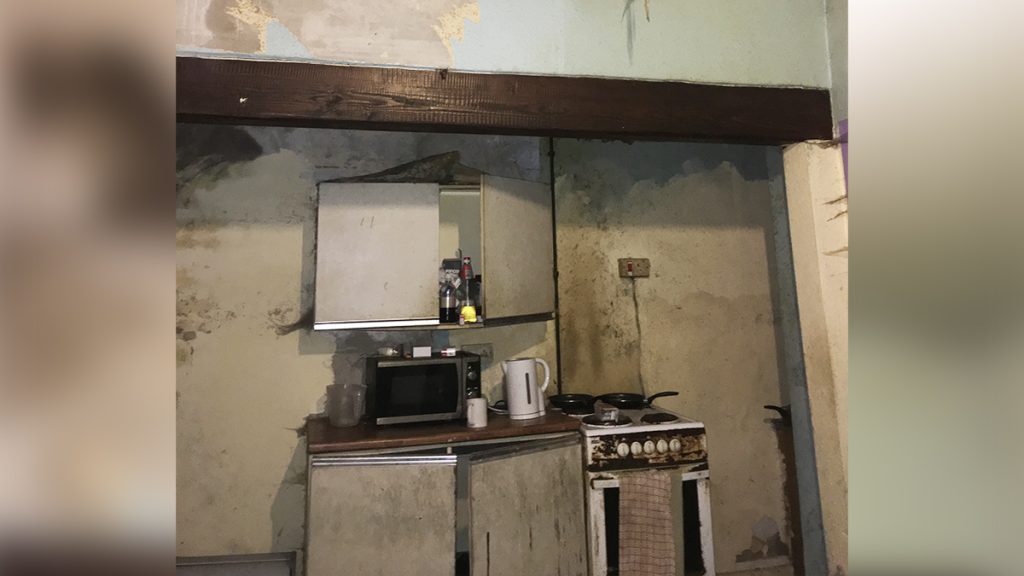
This might be due to time constraints or the house being in poor condition.
For most vendors, it’s in their best interest to sell the property quickly without going through the hassles involved with using the traditional sales market.
How much do they resell houses for?
Once the repairs and upgrades are finished, companies will then list the property for resale, typically closer to the full fair market value they believe they can achieve.
Their listing price factors in the purchase price, renovation costs, marketing expenses, as well as a profit margin.
Much like a traditional home seller, they’ll aim to get the highest possible sale price through negotiations with buyers and estate agents representing offers.
In a hot market, they may sell above estimated market value if demand is high.
In a quiet market, they may make a lower amount, or even potentially a loss.
Are companies that buy houses a rip-off?
While their offers may seem like a lowball initially, there are legitimate reasons companies can’t simply pay full market prices for houses, especially ones that need major work or have aspects that will put off traditional buyers.
Unlike traditional home buyers, they must account for a variety of additional costs and risks, including:
- Stamp Duty taxes on each property purchase (not all traditional buyers pay stamp duty)
- Real estate agent commissions and fees for relisting (averaging around 1.42% including VAT, according to the HomeOwners Alliance)
- Legal fees for both themselves and the seller during the initial purchase (averaging £1,575 in 2026, according to Compare My Move)
- Legal fees for the eventual resale
- Cost of surveys, inspections and due diligence
- Losses incurred by sellers backing out before exchange of contracts
- Carrying costs like insurance, utilities, maintenance during holding period
- Costs for repairs, renovations and redevelopment
- Their own labour, marketing and overhead expenses
With so many extra costs baked in on top of the purchase price, these companies can’t afford to buy your property for more than 80% of the full market value without jeopardising their ability to profitably operate a business.
Ultimately, the discounted purchase prices allow them to absorb all those additional expenses and still turn a profit.
Why sell to a cash-buying company?
There are many advantages that lead to sellers favouring cash-buying property companies when offloading a property:
Speed and convenience:
Forget listings, showings and the uncertainty of waiting for a traditional buyer.
Exchange can happen in as little as 48 hours with a house buying company, with completion typically in 2-4 weeks.
No upfront costs:
No need for repairs, renovations, staging or any other prep work that costs time and money with traditional sales.
House buying companies will buy in any condition and cover all the seller’s legal fees.
No agent commissions:
Sellers avoid paying around 1.42% in estate agent fees and commissions.
Certainty of sale:
Once under contract, the sale is assured to close with a house buying company.
Many reputable firms like Property Rescue will guarantee the sale once the offer is accepted and an independent survey is completed.
The Hidden Risk of Traditional Buyers
But here’s what most people miss:
Traditional buyers can pull out even after exchange of contracts — and when they do, the consequences are serious.
In England and Wales, a buyer who fails to complete after exchange faces:
- Daily interest charges at the contract rate (typically 4% above the Barclays Bank base rate) on the remaining balance
- A formal 10 working day Notice to Complete from your solicitor
- Complete deposit forfeiture if they still don’t complete
- Potential claims for further damages beyond the deposit
But that doesn’t help you if you’ve already made commitments based on the sale — perhaps you’ve exchanged on your next property, or missed other opportunities.
Cash buyers significantly reduce this risk. Because they have the funds ready and don’t rely on a mortgage chain, they are highly reliable to complete on the agreed date.
These companies cater to sellers who prioritise a fast, hassle-free, guaranteed purchase.
They offer speed and convenience in exchange for a discounted price.
For many sellers, the fast, guaranteed payout is worth giving a discount on the sale price, especially for sellers of properties that are considered undesirable.
Not all cash buyers are created equal
As cash-buying property companies have grown in popularity, so too have dishonest operators looking to mislead sellers.
Some unethical cash buyers resort to unscrupulous tactics like:
- Changing their offer amount at the last minute before closing
- Falsely promising an ultra-fast all-cash closing timeline
- Using aggressive and misleading marketing tactics
- Not having the financial ability to actually follow through
To avoid these disreputable firms, sellers should vet any companies by:
- Checking for real customer reviews and testimonials
- Ensuring they are registered with the Property Ombudsman
- Verifying membership in respected industry organisations like the National Association of Property Buyers (NAPB)
- Enquiring about their source of funds and closure rates
Be wary of any company claiming to pay 90% or even 100% of market value, as this could be a lead generator looking to collect your information and resell it, not a legitimate cash buyer.
Property Rescue: The best choice
Property Rescue has been a leading national cash home buyer for customers across England and Wales for over 20 years since 2005, now having purchased 500+ homes per year from sellers.
As an actively accredited member of the NAPB and the Property Ombudsman, we adhere to the highest standards and best practices for the fast home buying industry.
Here’s what makes us different:
Because of our Sale and Rent Back service, we’re one of the only house buying companies in the UK that’s regulated by the FCA (register number 522471).
This commitment to ethics, transparency and regulatory oversight has earned Property Rescue exceptional customer ratings.
Unlike other companies that make empty promises, we have an experienced team and dedicated funding sources for a seamless, certain sale process.
Ready to Sell Your House Fast?
Get a free, no-obligation cash offer from Property Rescue. We’ll exchange in as little as 48 hours and complete in a timeframe that suits you.
Call 020 8634 0224
Summary: cash-buying property companies
So while all companies that buy houses are ultimately focused on creating profits, trusted operators like Property Rescue demonstrate how the model can deliver a valuable solution for sellers prioritising speed, convenience and certainty over the utmost sale price.
The discounted offers aren’t a rip-off — they’re the necessary margin that allows these companies to absorb renovation costs, legal fees, stamp duty, agency commissions, and all the other expenses involved in bringing a property back to market.
For sellers facing time pressure, difficult property conditions, or simply wanting the peace of mind that comes with a guaranteed completion, a cash buyer can be the right choice.
Just make sure you do your due diligence: check reviews, verify regulatory memberships, and choose a company with a proven track record.
Important Notice
This article provides general information about the cash house-buying industry. Property Rescue operates in England and Wales only. Every property sale involves significant financial decisions — if you’re unsure whether a cash sale is right for your circumstances, consider seeking independent financial advice.
Property Rescue is authorised and regulated by the Financial Conduct Authority (FCA register number 522471) for Sale and Rent Back activities only.