Dealing with a loved one’s estate is never easy.
And when you’re grieving, the last thing you want is to get tangled up in months of legal paperwork and financial uncertainty.
Yet here’s the reality: getting a grant of probate can take anywhere from nine to twelve months in straightforward cases. If the estate is complex? You could be looking at well over a year.
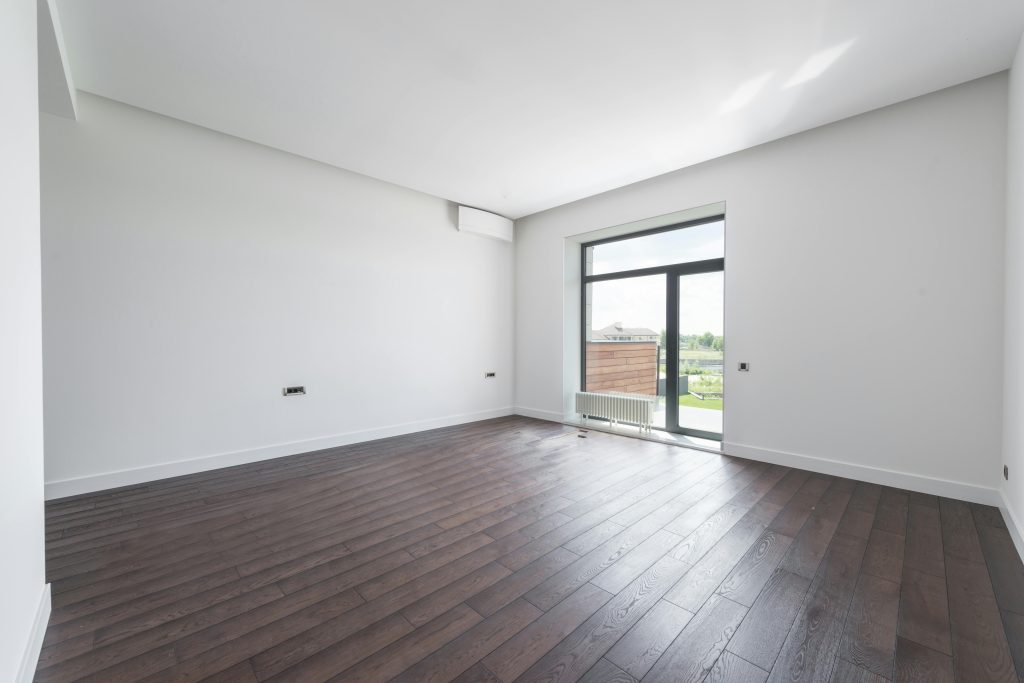
That’s a long time to have a property sitting empty, racking up council tax.
If you’ve inherited a house and need to sell, those timelines can feel like an eternity. In this guide, I’ll walk you through exactly how long probate takes, what causes the delays, and most importantly, how to navigate the process when you need to sell an inherited property a bit faster.
What Is a Grant of Probate?
In simple terms, probate is the legal and financial process of dealing with a deceased person’s property, money, and possessions (their ‘estate’).
The ‘grant of probate‘ is the official document that confirms you have the legal authority to handle the estate.
Think of it as the official green light.
Without it, you can’t access bank accounts, settle debts, or, crucially, sell an inherited property. The Land Registry won’t let you transfer ownership to a buyer until you have that grant.
A Quick Note on Terminology
- Executor: The person named in the will to carry out the deceased’s wishes.
- Administrator: The person appointed to manage the estate if there was no will (this is called ‘dying intestate’). The process involves applying for ‘letters of administration’, but the function is largely the same.
This guide focuses on the process in England and Wales. The system in Scotland is called ‘Confirmation’, and Northern Ireland also has its own distinct process.
The Probate Timeline in 2026: A Realistic Breakdown
So, how long does it really take? Let’s break it down.
The government states that you should allow up to 16 weeks to receive the grant after you have submitted the application. But that’s just one part of a much longer journey.
Here’s a more realistic timeline for a straightforward estate.
Months 1-3: Information Gathering
This is the initial phase. You’ll need to locate the will, register the death, and start identifying all the assets (property, bank accounts, shares) and liabilities (mortgages, loans, bills). This involves a lot of phone calls and paperwork.
Months 3-5: Valuations and Tax Forms
Every asset needs to be professionally valued as of the date of death. This includes getting an accurate valuation for any property. You’ll then need to complete the relevant Inheritance Tax (IHT) forms, even if you don’t think any tax is due.
Months 5-9: The Waiting Game
Once you’ve submitted your application to the Probate Registry, the 16-week countdown begins. If you need to pay Inheritance Tax, you must also send forms to HMRC and wait for them to process everything before the Probate Registry will proceed. Delays here are common.
Months 9-12+: Administration and Distribution
Once the grant is finally issued, you can start the final phase: paying off any debts, selling assets like property, and distributing the remaining estate to the beneficiaries according to the will.
What Causes the Delays?
The probate system is under immense pressure. But the biggest delays often come from simple errors or complications within the estate itself.
- Application Errors: A single mistake or missing document on your probate application can get it rejected, sending you to the back of the queue.
- HMRC Queries: If HMRC disagrees with your property valuation or has questions about the IHT calculations, everything grinds to a halt.
- Property Complications: Selling a house on the open market introduces its own delays. Finding a buyer, dealing with chains, and waiting for mortgage approvals can add six months or more to the process.
- Disputes: If a beneficiary contests the will, the entire process is frozen until the dispute is legally resolved. This can take years.
The Hidden Costs of a Delayed Probate Sale
Here’s what nobody tells you about a long probate process: an empty property is a money pit.
While you wait for the grant, the bills keep coming.
- Council Tax: Most councils offer a grace period, but after that, you could be liable for the full rate on an empty home.
- Insurance: Standard home insurance is often invalid for an unoccupied property. You’ll need specialist empty property insurance, which is more expensive.
- Utilities: You’ll still have to pay standing charges for gas, electricity, and water.
- Maintenance: A burst pipe, a slipped roof tile, or a garden that becomes a jungle. These things happen, and the costs fall on the estate.
These holding costs can easily add up to £300-£500 per month. Over a 12-month probate period, that’s £3,600-£6,000 lost from the estate before you’ve even sold the house.
Can You Sell a House Before Probate Is Granted?
This is a common question, and the answer is yes and no.
You can put the property on the market, accept an offer, and even exchange contracts before the grant of probate is issued.
However, you cannot legally complete the sale until the grant is in your hands.
This creates a massive problem for traditional buyers.
Most high-street mortgage offers expire after six months. No buyer wants to wait in a chain for an unknown length of time. I’ve seen countless sales fall through because probate took longer than expected, forcing the executor to start the entire sales process all over again.
A Faster, More Certain Route
If the thought of a year-long wait, mounting bills, and the risk of a sale falling through fills you with dread, you need to know about your other options.
While you can’t speed up the Probate Registry, you can control the property sale part so it just happens immediately after probate is granted..
This is where we come in. Unlike a traditional buyer, a specialist company like ours understands the probate process.
At Property Rescue, we can make you a guaranteed cash offer and agree to buy the property on your timeline.
We can exchange contracts quickly, with a legal clause that makes completion happen just days after your grant of probate is issued.
This gives you:
- Certainty: The sale is guaranteed. No chains, no mortgage delays, no buyers pulling out.
- Speed: You can have the cash in your bank account within a week of receiving the grant.
- Simplicity: We buy properties in any condition. No need for costly repairs or renovations.
- Cash: We can give you a cash advance before probate is granted to help you cover holding costs or any other expenses.
It removes all the stress and uncertainty from the property sale, allowing you to focus on settling the rest of the estate.
Making the Right Choice for Your Situation
A traditional sale might be fine if the estate has plenty of cash, the property is in perfect condition, and all beneficiaries are happy to wait.
But if you’re facing any of these challenges, you should seriously consider an alternative:
- You need to pay Inheritance Tax and don’t have the cash.
- The property needs work and is deteriorating.
- Beneficiaries need their inheritance sooner rather than later.
- You simply want to avoid the stress and cost of a long, drawn-out sale.
For impartial advice on your duties as an executor, you can also consult resources like Citizens Advice or find a solicitor through The Law Society. And if you’re finding the emotional side of things tough, organisations like Cruse Bereavement Support offer a listening ear.
The Bottom Line
Probate in the UK is a long process. Expect it to take the better part of a year.
During that time, an inherited property will cost the estate thousands in holding costs, and the stress of an uncertain sale can take a heavy toll.
You don’t have to be a victim of those delays.
By choosing a guaranteed sale, you can lock in a price, eliminate holding costs, and complete the sale the moment your grant of probate arrives.
Get your free, no-obligation cash offer from Property Rescue today and get the clarity you need to move forward.