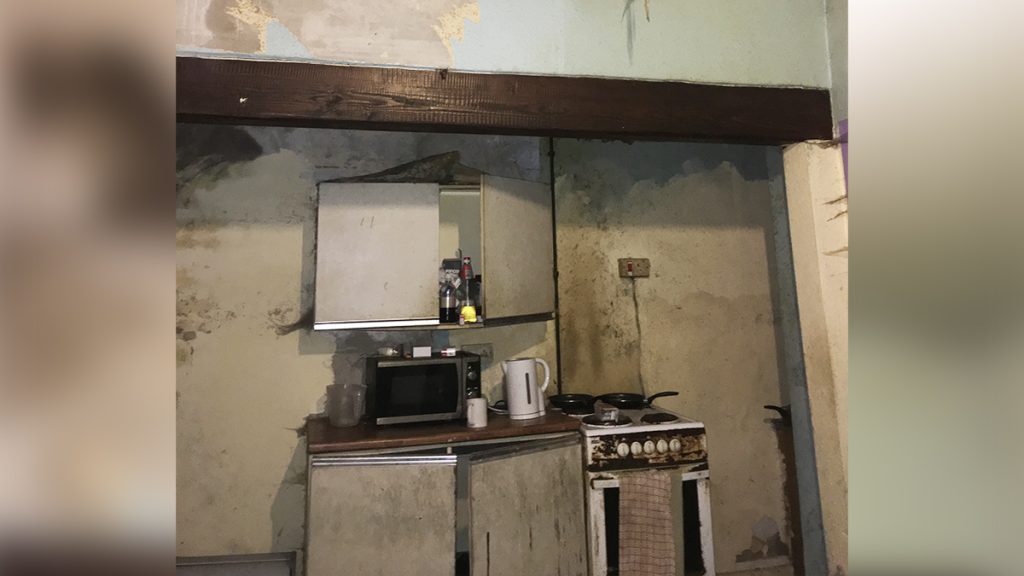
Hoarding disorder affects an estimated 2.5% of the UK population. That is roughly 1.5 million people (Postlethwaite et al., 2019).
Behind that statistic are real families dealing with an incredibly sensitive situation. And if you are reading this, there is a good chance you are one of them.
Maybe you have inherited a property from a relative who lived with hoarding disorder. Maybe you are a landlord who has discovered a tenanted property in a severe state. Or maybe you are the person living with hoarding and you need to sell, but the thought of clearing the house feels overwhelming.
Whatever brought you here, you should know this: you can sell a hoarder house without cleaning it first.
I’m Danny, the owner of Property Rescue. We buy over 500 properties a year, many of them in conditions that would make a traditional estate agent walk straight back out the front door. Properties packed floor to ceiling, properties with structural concerns hidden behind years of accumulation, properties where the kitchen hasn’t been visible in a decade.
We have seen it all. And we buy them as they are.
This guide covers everything you need to know about selling a hoarder house in the UK, from understanding what hoarding disorder actually is, to your realistic options, to the costs involved if you do decide to clear it, and the routes available if you would rather not.
Key Takeaways
- Hoarding disorder is a recognised mental health condition under the ICD-11 classification. It is not laziness, and clearance must be handled with sensitivity.
- Professional house clearance for a hoarded property typically costs between £2,000 and £10,000+, depending on the severity, and can take anywhere from 3 days to 4 weeks.
- Most estate agents will not list a severely hoarded property, and most mortgage lenders will not approve a loan on one, dramatically narrowing your buyer pool.
- You can sell a hoarder house without any cleaning by selling to a cash buyer, through auction, or to a property investor.
- A cash buyer like Property Rescue can make an offer within 24 hours and complete in as little as 28 days, with no cleaning, no repairs, and no fees.
What Is Hoarding Disorder?
Before we talk about selling, it is worth understanding what hoarding actually is. Not least because how you handle the sale may depend on the circumstances behind it.
Hoarding disorder is a recognised mental health condition. The NHS defines it as a condition where someone collects large numbers of possessions and finds it extremely difficult to get rid of them, even when they are affecting their daily life.
It was formally classified as a standalone disorder in the World Health Organisation’s International Classification of Diseases (ICD-11) in 2022. Before that, it was often grouped with OCD, but it is now recognised as its own distinct condition.
In October 2025, hoarding disorder was discussed on the floor of the House of Commons for the first time. That led to growing calls for better support frameworks, with hoarding disorder featuring in further policy discussions in early 2026, signalling growing recognition that people with hoarding disorder need better support (Iriss, 2025).
What Causes Hoarding?
There is no single cause. The NHS lists several risk factors:
- Adverse childhood experiences such as poverty, neglect, or abuse
- Perfectionist or anxious personality traits that make decision-making about possessions feel paralysing
- Grief or major life changes such as bereavement, divorce, or retirement
- Family history of hoarding behaviour
Hoarding tends to worsen with age. It often starts in the teenage years but may not become severe until someone is in their 50s, 60s, or older. This is why so many hoarding situations come to light during probate, when family members enter a deceased relative’s home and discover the true extent of the problem.
Important
Hoarding disorder is a mental health condition, not a lifestyle choice. If the person is still living in the property, any decisions about clearance or sale should involve them wherever possible. Forced cleanouts can cause severe psychological distress and are rarely effective in the long term. The charity Mind (helpline: 0300 123 3393) offers guidance on supporting someone with hoarding disorder.
Why Hoarder Houses Are So Difficult to Sell Through Traditional Routes
Selling any property takes effort. Selling a hoarded property through conventional channels is a different challenge entirely.
Here is why the traditional route almost never works for severely hoarded homes.
Most Estate Agents Will Not Take It On
Estate agents rely on viewings. And viewings require a property that buyers can actually walk through safely.
A severely hoarded property often has narrow pathways between floor-to-ceiling accumulations, rooms that cannot be entered at all, and kitchens or bathrooms that have not been functional for years. An agent cannot photograph it for Rightmove, cannot conduct viewings, and cannot present it as a liveable home.
Many agents will either refuse the listing outright or ask you to clear the property before they will market it. That puts you straight back to the cleaning problem you are trying to avoid.
Mortgage Lenders Will Not Touch It
Even if you did find a buyer through an agent, their mortgage lender would almost certainly refuse to lend against the property.
Lenders require a surveyor to inspect the property and confirm it is habitable, structurally sound, and worth the loan amount. In a severely hoarded home, the surveyor often cannot access large parts of the property. When they cannot see the walls, floors, or services, they have to assume the worst. Damp. Structural movement. Pest damage. Electrical faults.
The result? The lender either declines the mortgage entirely or values the property so far below the asking price that the buyer pulls out.
This effectively eliminates around 70% of the buyer market, since the vast majority of purchasers rely on a mortgage to buy.
Surveyor Access Problems
Surveyors have a duty to report what they cannot see. If possessions are blocking walls, floors, or access to the roof space, the survey will flag these areas as inaccessible and recommend further investigation.
That report goes to the buyer and their lender. In most cases, it triggers one of two outcomes:
- The lender reduces their valuation or refuses to lend altogether
- The buyer renegotiates the price downward or withdraws completely
Either way, the sale stalls or collapses.
Health and Safety Risks
Hoarded properties often present genuine safety concerns that go well beyond clutter:
- Fire risk: The London Fire Brigade warns that hoarded homes carry a significantly elevated fire risk. Blocked exits prevent safe evacuation, and large quantities of flammable materials such as newspapers and cardboard dramatically increase fire loading.
- Structural overloading: Years of accumulated weight can cause floors to sag, bow, or in severe cases partially collapse.
- Pest infestations: Undisturbed accumulations of food waste, paper, and organic material attract rodents, insects, and other pests.
- Biohazard contamination: In severe cases, properties may contain animal waste, spoiled food, or other biological hazards that require specialist cleaning.
- Blocked utilities: Gas appliances, electrical panels, and plumbing may be inaccessible or have been damaged over time.
Any of these issues on their own would put off most buyers. Combined, they make a traditional sale almost impossible.
Did You Know?
A single flat fire in a hoarded property in Lewisham required eight fire engines and around 60 firefighters. Thirteen adults and two children had to be rescued by firefighters wearing breathing apparatus due to the volume of possessions and blocked escape routes.
Source: London Fire Brigade, 2023
What If You Do Want to Clear It? Costs and Timescales
Not everyone wants to skip the clearance. Some sellers want or need to clear the property first, whether for emotional closure, to maximise the sale price, or because the person who lived there has asked them to.
If that is you, here is what to expect.
House Clearance Costs for Hoarded Properties
A standard house clearance for a normal property might cost a few hundred pounds. A hoarded property is a completely different proposition.
| Severity Level | Typical Cost | Typical Timeframe |
|---|---|---|
| Mild hoarding (accessible rooms, mainly clutter) | £750 to £2,000 | 1 to 3 days |
| Moderate hoarding (blocked rooms, limited access) | £2,000 to £5,000 | 3 to 7 days |
| Severe hoarding (floor to ceiling, entire property) | £5,000 to £10,000 | 1 to 3 weeks |
| Severe with biohazard (pest infestation, contamination) | £8,000 to £15,000+ | 2 to 4 weeks |
Source: Checkatrade, 2026 and MyJobQuote, 2026
Specialist hoarding clearance companies typically charge 50% to 100% more than standard clearance firms because of the additional labour, disposal requirements, and safety considerations involved.
Always check whether quotes include VAT. A price that looks reasonable can look very different once 20% is added on top.
What Drives the Cost Up?
Several factors push hoarder clearance costs higher:
- Volume: More items means more labour, more skips, and more disposal fees
- Access: If the property is difficult to access (flats above shops, narrow staircases, no parking for a skip), costs increase
- Hazardous materials: Asbestos, chemicals, biological waste, and pest-contaminated items require specialist disposal
- Sorting requirements: If the family needs items sorted rather than simply removed (looking for valuables, documents, or sentimental items), this adds significant time
- Deep cleaning: Once the items are removed, the property usually needs professional deep cleaning before it can be sold or let. This can add £1,000 to £3,000 on top of the clearance cost
The Hidden Costs of Clearing Before You Sell
The clearance bill is just the start. Once the property is empty, you will likely discover issues that were hidden behind the accumulation:
- Damp and mould damage to walls and flooring
- Pest damage to wiring, joists, or plasterwork
- Failed or outdated plumbing and electrics
- Missing or damaged fixtures and fittings
Each of these costs money to fix. And until they are fixed, most traditional buyers still will not touch the property.
So the total bill is not just £5,000 for clearance. It could be £5,000 plus £10,000 or more in remedial repairs, plus months of your time, plus the ongoing costs of owning an empty property (council tax, insurance, security).
For many sellers, that arithmetic is exactly why selling without cleaning makes more financial sense.
Your Options for Selling Without Cleaning
If you have decided that clearing the property is not practical, not affordable, or not something you want to put yourself through, you have three realistic options.
Option 1: Sell to a Cash House Buyer
This is the most straightforward route for selling a hoarded property without any clearance.
A reputable cash buyer will:
- Buy the property in its current condition, with all contents included
- Not require viewings, staging, or any cleaning
- Handle the clearance themselves after completion
- Complete the purchase quickly, often within 2 to 4 weeks
- Cover your legal fees (with many firms, including Property Rescue)
The trade-off is price. Cash buyers typically offer around 75% to 85% of the open-market value of the property in good condition. For a hoarded property, the offer will reflect the clearance, repair, and refurbishment costs the buyer will need to spend.
But here is the maths most sellers do not consider: if your property would be worth £200,000 in good condition, a cash buyer might offer £145,000 to £155,000. After deducting the £5,000 to £15,000 clearance cost, £10,000+ in repairs, £3,000 in estate agent fees, and £1,200 in solicitor fees you would pay on the open market, the gap narrows considerably. And you save months of stress, cost, and uncertainty.
Option 2: Sell at Property Auction
Auction is another viable route for hoarded properties. Properties sell “as seen” at auction, meaning there is no obligation to clear or clean before the sale.
How it works:
- The auctioneer sets a guide price and a reserve (the minimum you will accept)
- Buyers bid on the day, and the winning bidder is legally committed to purchase
- The buyer pays a 10% deposit on the day and must complete within 28 days (for traditional auctions)
Pros:
- No cleaning required
- Legally binding sale on the day of the auction
- Attracts investors and developers who are used to buying properties in poor condition
- Competitive bidding can sometimes push the price up
Cons:
- No guarantee it will sell (it may not reach the reserve)
- Auction fees can run to 2% to 2.5% of the sale price, plus VAT
- You need to instruct a solicitor to prepare a legal pack before the auction, which costs around £300 to £500
- You have limited control over the final price
- Modern Method of Auction (conditional auction) is less certain than traditional auction because the buyer has a cooling-off period
Watch Out for Modern Method of Auction
Some online auction platforms use the “Modern Method of Auction” which is not legally binding in the same way as a traditional auction. The buyer pays a reservation fee but has 28 to 56 days to arrange financing and complete. Sales can and do fall through. If speed and certainty are your priorities, check whether the auctioneer uses the traditional (legally binding) format.
Option 3: Sell to a Property Investor or Developer
Property investors and developers actively seek out properties in poor condition because the worse the condition, the bigger the potential profit after refurbishment.
You can find investors through:
- Local property investment networks and landlord associations
- Property investment forums and Facebook groups
- Direct-to-investor platforms
- Word of mouth through solicitors or letting agents
The advantage is that investors understand the condition. They will not be shocked by what they see. The disadvantage is that individual investors can be slow, unreliable, or attempt to renegotiate the price after initially agreeing.
Comparing Your Options Side by Side
| Factor | Cash Buyer | Auction | Private Investor | Open Market (After Clearing) |
|---|---|---|---|---|
| Cleaning required? | No | No | No | Yes |
| Typical price achieved | 75-85% of market value | Varies widely | 70-80% of market value | Closer to market value |
| Speed to completion | 2-4 weeks | 4-8 weeks (inc. marketing) | 4-12 weeks | 5-9 months |
| Certainty of sale | High (guaranteed once survey done) | Medium (may not meet reserve) | Low to medium | Low (chain dependent) |
| Upfront costs to you | None | Legal pack (£300-£500) | Solicitor fees | £5,000-£25,000+ (clearance, repairs, fees) |
| Estate agent fees | £0 | 2-2.5% + VAT | £0 | 1.2-1.8% + VAT |
What About Probate Properties?
A large number of hoarded properties come to market through probate. Someone passes away and the family discovers the condition of the property for the first time.
This situation comes with added pressure:
- Inheritance tax deadlines: If the estate is above the nil-rate band (£325,000, or up to £500,000 if the Residence Nil-Rate Band applies), IHT is payable within six months from the end of the month of death. The clock is ticking while you figure out what to do with the property.
- Emotional weight: The property belonged to someone you loved. Going through their possessions is emotionally difficult, and the sheer volume in a hoarded property makes this feel impossible.
- Family disagreements: Multiple beneficiaries may have different views on what to do with the property, the contents, and the sale price.
- Insurance complications: Insurers may refuse to cover a vacant property or one in poor condition, leaving you exposed.
- Security concerns: An unoccupied hoarded property is a target for squatters, arsonists, and metal thieves.
In these situations, selling quickly to a cash buyer can relieve enormous pressure. You do not have to sort through years of accumulation, you do not have to spend thousands on clearance, and you can distribute the estate proceeds among beneficiaries without months of delay.
Selling a Hoarder House When the Owner Is Still Alive
This is where things get most sensitive.
If the person with hoarding disorder is still living in the property and wants (or needs) to sell, the process requires care, patience, and ideally professional support.
Involve Mental Health Professionals
The NHS recommends cognitive behavioural therapy (CBT) as the primary treatment for hoarding disorder. If the person is willing, involving a therapist before and during the sale process can help them cope with the transition.
The charity Mind and the Hoarding Disorders UK support organisation both offer resources and helplines.
Do Not Force a Clearout
Research consistently shows that forced clearouts are counterproductive. The person experiences severe distress, and in many cases, the hoarding behaviour returns within months. If the person is not ready to part with their possessions, selling with the contents in place and letting the buyer handle clearance after completion is often the least harmful approach.
Consider a Sell and Rent Back Arrangement
If the person needs the equity from their home but does not want to leave, a Sell and Rent Back arrangement may be an option. This allows them to sell the property but remain living there as a tenant.
This is an FCA-regulated product, so only authorised firms can offer it. Property Rescue is one of the few companies in the UK that is FCA-regulated for Sell and Rent Back (FCA Register 522471).
Common Concerns When Selling a Hoarder House
Do I Have to Declare the Property’s Condition?
Yes. When selling any property in England and Wales, you are required to complete a Property Information Form (TA6) which asks about the condition of the property, any known issues, and any disputes. You must answer honestly.
However, a cash buyer who has inspected the property already knows the condition. There are no surprises. This removes the risk of a buyer pulling out after a survey reveals problems they were not expecting.
Will the House Be Worth Less Because of Hoarding?
The property itself is worth whatever the bricks, mortar, and land are worth. Hoarding does not damage the property’s inherent value, though it may cause physical damage that reduces the value.
In other words, a property worth £250,000 in good condition is still a property worth £250,000 in good condition. The discount a buyer applies reflects the cost of getting it back to good condition, not a permanent reduction in value.
What Happens to the Contents?
This depends on who buys the property:
- Cash buyer: Typically agrees to take the property with all contents. The buyer handles clearance at their own expense after completion.
- Auction buyer: Same as above. The lot description will specify that contents are included.
- Open market buyer: Will almost certainly require the property to be cleared before completion.
If there are items of sentimental or financial value mixed in with the accumulation, agree with the buyer before exchange exactly what you want to remove. Most cash buyers are flexible about giving you time to take personal items.
Can I Sell If There Is Structural Damage?
Yes. Cash buyers and investors regularly purchase properties with structural issues. The property’s value will reflect the cost of repairs, but it is absolutely sellable.
In fact, the structural condition often cannot be fully assessed until the property is cleared. A good cash buyer will factor in a contingency for unknown issues rather than trying to renegotiate after completion.
How to Choose a Reputable Cash Buyer
The cash house buying industry has its share of unreliable operators. Here is what to look for:
- Check for industry body membership. Look for membership of the National Association of Property Buyers (NAPB) and The Property Ombudsman. These bodies set standards for fair dealing and give you a complaints process if things go wrong.
- Check for FCA regulation. If the company offers Sell and Rent Back, they must be authorised by the FCA. You can check the FCA Register online. If they claim to be regulated but are not on the register, walk away.
- Ask about their valuation process. A reputable buyer will commission an independent survey and check local agent appraisals. They will not just pull a number out of thin air.
- Ask about fees. A genuine cash buyer should charge you nothing. No admin fees, no withdrawal fees, no hidden costs. If they charge you anything before completion, be very cautious.
- Ask about their solicitor arrangements. Many reputable buyers will cover your legal fees when you use their recommended solicitor. This should be a genuinely independent firm, not an in-house team.
- Read reviews. Check Google, Trustpilot, and the NAPB website for verified reviews. Pay attention to reviews from sellers in similar situations to yours.
The Property Rescue Process for Hoarder Houses
Here is exactly how it works when you sell a hoarded property to us.
- You call us or fill in our online form. We take a 5 to 10 minute fact-find over the phone, asking about the property, its condition, and your situation. No judgement, no pressure. We have bought hundreds of properties in all kinds of conditions.
- We make an indicative cash offer within 24 hours. This is based on comparable sales in the area, adjusted for the likely condition and clearance costs. It is an honest number, not a hook to get you through the door.
- We arrange an independent valuation. An independent asset management firm inspects the property and produces a report. We also consult two local estate agents for appraisals. This process takes about five working days.
- We make our formal offer. In 95% of cases, our formal post-survey offer is exactly the same as the initial indicative offer. Only around 5% of the time does the survey reveal something that requires an adjustment.
- Solicitors are instructed. We cover your conveyancing fees when you use our recommended solicitor, who is an independent, established firm that already knows our process. You are free to use your own solicitor if you prefer.
- We exchange and complete. Exchange can happen in as little as 48 hours after valuation. Our average completion time is 28 days, though we work to your preferred timeframe if you need longer.
Throughout the process, you can pull out at any time before exchange at no cost.
After completion, we handle the full clearance, refurbishment, and onward sale of the property. That is our business. You walk away with the sale proceeds and none of the burden.
Need to Sell a Hoarded Property?
We buy houses in any condition, including severely hoarded properties. No cleaning, no repairs, no fees. Get a free, no-obligation cash offer within 24 hours.
Real Stories: What We Have Seen
Every hoarded property tells a story. Over 20 years of buying properties, we have seen situations that range from mild clutter to properties where entire rooms have not been entered in a decade.
One case that sticks with me involved a seller who came to us after 50 viewings and zero offers over two months through an estate agent. The feedback from viewers was always about the amount of work the property needed. But when I spoke to the seller, it turned out the real issue was not the work at all. One of the neighbours was particularly noisy and had been leaving rubbish outside the property.
We bought the property, had a respectful conversation with the neighbour, arranged a clearance of the rubbish outside, and the surrounding issues resolved themselves. The property went under offer quickly after that.
The point is this: properties that seem unsellable rarely are. There is usually a buyer for every property. The question is whether you are approaching the right kind of buyer.
Frequently Asked Questions
Can I sell a hoarder house on Rightmove or Zoopla?
In theory, yes. In practice, you need an estate agent to list on these portals, and most agents will not market a severely hoarded property. Even if they do, the photos and viewings will deter most buyers, and mortgage lenders will not approve a loan on a property that cannot be properly surveyed.
How much does it cost to clear a hoarder house in the UK?
Professional clearance for a hoarded property typically costs between £2,000 and £10,000, depending on the severity. Severe cases with biohazard contamination can reach £15,000 or more. Specialist hoarding clearance companies charge 50% to 100% more than standard clearance firms.
How long does it take to clear a hoarder house?
Mild hoarding can be cleared in 1 to 3 days. Moderate hoarding takes 3 to 7 days. Severe cases requiring deep cleaning and decontamination can take 2 to 4 weeks.
Will a cash buyer pay full market value for a hoarded house?
No. Cash buyers typically offer 75% to 85% of the open-market value for a property in good condition. For a hoarded property, the offer reflects the additional clearance and repair costs the buyer will incur. However, when you factor in the costs you avoid (clearance, repairs, agent fees, solicitor fees, months of holding costs), the net figure is often closer than you might expect.
Is hoarding the same as being messy or untidy?
No. Hoarding disorder is a recognised mental health condition classified in the ICD-11. It involves persistent difficulty discarding possessions regardless of their value, leading to clutter that compromises the use of living spaces and causes significant distress. It is not a lifestyle choice or a matter of willpower.
What if there are valuable items hidden in the hoard?
If you suspect there may be valuable items among the accumulation, discuss this with the buyer before exchange. Most reputable cash buyers will give you a reasonable window to remove personal items and anything of value. If you are unsure what might be there, you could hire a specialist clearance company that sorts as they clear, setting aside anything potentially valuable.
Do I need probate before I can sell a hoarded inherited property?
You need either a Grant of Probate (if there is a will) or Letters of Administration (if there is no will) before you can legally complete the sale of an inherited property. However, you can begin the sale process, agree a price, and instruct solicitors before the grant is issued. Many cash buyers are happy to work to this timeline.
Can I sell a hoarded property if I am a landlord?
Yes. If your tenant has caused the hoarding condition, you may be able to sell the property with the tenant in situ (as a tenanted investment) or after regaining possession. If the tenant is vulnerable, you should take advice on the correct legal process for possession and any safeguarding obligations. Cash buyers regularly purchase tenanted properties.
A Final Word on Sensitivity
Selling a hoarded property is rarely just a property transaction. There is almost always a human story behind the accumulation. Grief, loss, mental illness, isolation, or simply a life that got quietly out of control.
If you are dealing with this situation, whether it is your own home or the home of someone you love, give yourself permission to take the path of least resistance. You do not owe anyone a perfect, cleared, show-home property. You deserve to be free of the burden, and there are buyers who will take the property exactly as it is.
If you would like to talk through your options, we are here. No pressure, no judgement, and no obligation.
Ready to Talk?
Call us for a confidential, no-obligation conversation about your property. We have been buying houses in all conditions for over 20 years.
Disclaimer
This article is for general information only and does not constitute medical, legal, or financial advice. Hoarding disorder is a recognised mental health condition. If you or someone you know is affected, please contact your GP, the NHS, or Mind (helpline: 0300 123 3393) for professional support.
Property Rescue is a cash house buying company, not a medical or legal services provider. Any tax-related decisions should be discussed with a qualified accountant, and any legal questions should be directed to a solicitor. Property values, clearance costs, and timescales referenced in this article are based on publicly available data and our own professional experience. Individual circumstances will vary.
Property Rescue is a founding member of the National Association of Property Buyers (NAPB), a member of The Property Ombudsman, and FCA-regulated for Sale and Rent Back through Rent Back Experts (FCA Register 522471).