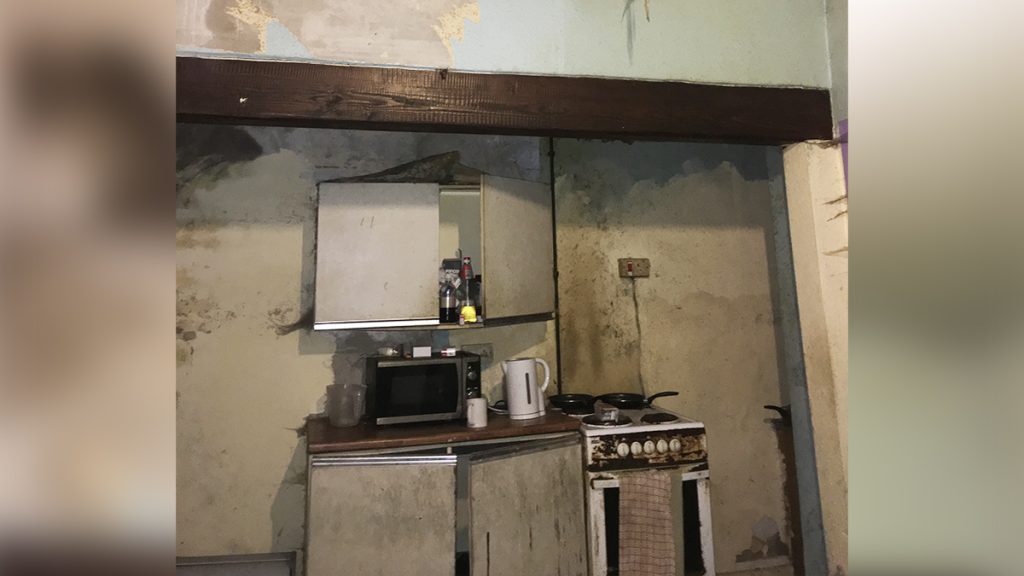
Selling A House In A Flood Zone
Introduction
Your estate agent just rang with bad news: another mortgage fell through. The valuer spotted your Flood Zone 3 classification, and the lender won’t budge.
Here’s the truth about selling property in a flood zone: it’s challenging, but it’s far from impossible.
Some sellers in flood risk areas find themselves on the market for months with no serious interest. Others face mortgage lender withdrawals days before exchange.
Yet they all sold.
In this guide I’ll walk you through how flood zones actually affect property value (the numbers might surprise you), your legal obligations as a seller, the practical steps that get flood-zone properties sold, and when a guaranteed cash sale makes more sense than waiting months for the “right” buyer.
Already know your flood zone classification? Skip to Market Impact and Valuation. Been on the market for months? Jump to Considering Cash Buyers. Property recently flooded? Go straight to Selling After Recent Flooding.
What Is a Flood Zone?
Understanding Flood Risk Categories
Not all flood zones are created equal.
In England, the Environment Agency classifies flood risk into categories under the National Planning Policy Framework (NPPF):
- Flood Zone 1: Low risk with less than 0.1% annual flooding probability (1 in 1000 year event)
- Flood Zone 2: Medium risk: 1% to 0.1% annual probability for river flooding, or 0.5% to 0.1% for sea flooding
- Flood Zone 3a: High risk: 1% or greater annual probability for river flooding, or 0.5% or greater for sea flooding
- Flood Zone 3b: Functional floodplain where water has to flow or be stored in times of flood
You can check your property’s flood classification for free using the Environment Agency’s online flood map service (England only).
In Wales, flood risk is assessed under Technical Advice Note 15 (TAN 15) by Natural Resources Wales, which uses a different classification system (Zones A, B, C1, and C2). If your property is in Wales, use the Natural Resources Wales flood map rather than the Environment Agency service.
Do this before marketing your property.
Why? Because buyers and their solicitors will definitely check it during the transaction process. Better you know first.
Types of Flooding
Different flooding sources carry different implications for property value and buyer perception:
Fluvial flooding (river flooding) comes from rivers and streams overflowing their banks. This is the type most buyers worry about because it can be unpredictable and severe.
Pluvial flooding (surface water flooding) happens when rainwater can’t drain away fast enough, typically during heavy rainfall. This affects urban areas particularly.
Coastal flooding results from tides and storms. Properties in coastal flood zones often face the steepest valuation reductions.
Groundwater flooding occurs when the water table (the natural underground water level) rises above ground level; less common but can affect properties near springs or in low-lying areas.
River and coastal flooding tend to create the biggest buyer concerns because they’re perceived as less predictable and harder to defend against.
Now you know what flood zone your property sits in, but how much is it actually costing you? Let’s look at the numbers.
Market Impact and Valuation
How Flood Zones Affect Property Value
So how much does flood risk actually knock off your property value?
Valuations for flood-zone properties typically run 8-12% below comparable properties in low-risk areas. And here’s what really matters: that discount has been growing as flood events become more frequent.
The actual reduction depends on several factors:
- Flood zone classification: Zone 2 sees smaller discounts than Zone 3
- Flooding history; properties with documented past flooding face steeper reductions
- Existing defences; properties with installed flood protection measures hold value better
- Insurance availability: this is often the make-or-break factor for buyers
But here’s the good news.
Documented flood-proofing improvements can genuinely help mitigate these losses.
The Insurance Challenge
Here’s where things get complicated.
Since 2016, the Flood Re scheme has helped many eligible households access more affordable flood cover by allowing insurers to pass the flood risk element to Flood Re at a fixed reinsurance cost (based on council tax band). This keeps the flood component of premiums manageable, but insurers still set the overall policy price, terms, and excesses themselves.
Sounds helpful, right?
But there are catches: properties built after 1 January 2009 are excluded from Flood Re entirely. And eligibility depends on several other factors too, including the property being residential, in council tax bands A-H, and being a single unit or in a block of no more than three units. Buyers should check the full Flood Re eligibility criteria with an insurer or broker.
What does this mean for sellers?
If your property was built before 2009, buyers can usually access affordable insurance through Flood Re, subject to meeting Flood Re’s eligibility criteria.
But if you’re selling a newer property in a flood zone? Buyers may face eye-watering premiums, or struggle to get cover at all.
This isn’t always disclosed at point of sale and can torpedo transactions at the mortgage valuation stage.
Buyer and Lender Concerns
When flood-zone sales fall through, it’s usually down to one of these issues:
Mortgage lender hesitation. Lenders will finance flood-zone properties, but they need assurance about insurability and risk mitigation. If a valuation raises concerns about flood risk, lenders can reduce their loan-to-value ratio (the percentage of the property value they’ll lend) or decline the mortgage entirely.
Insurance costs. Even with Flood Re, buyers worry about future premium increases or coverage limitations.
Flood-proofing expenses. Buyers often factor in the cost of installing defences or making resilience improvements, and negotiate these costs off your asking price.
Future flooding risk. Climate change is making flood risk more prominent in buyers’ minds. They worry about not just current flooding but future events.
Flood risk is one of the common issues that stalls traditional property sales.
Understanding the valuation impact is one thing. But here’s what really trips sellers up: the legal side.
Legal Obligations for Sellers
Required Disclosures
This is critical: you are legally required to answer questions about flooding history honestly and to the best of your knowledge when selling property in England and Wales.
The TA6 Property Information Form specifically asks about flooding. You must disclose:
- Whether the property has ever been flooded
- The source of flooding (river, surface water, sewer, etc.)
- When flooding occurred
- What damage was caused
- What remedial actions were taken
As a private seller, if you provide false or misleading information about flooding on the TA6 Property Information Form, you may be liable for misrepresentation under common law and the Misrepresentation Act 1967. Estate agents marketing your property are separately governed by the Digital Markets, Competition and Consumers Act 2024 regarding material information disclosure.
In plain English: if you know about flooding and don’t disclose it honestly and to the best of your knowledge on the TA6 form, you’re exposing yourself to serious legal consequences.
Not worth the risk.
Consequences of Non-Disclosure
“But what if they never find out?”
They will. I’ve seen transactions collapse when undisclosed flooding history emerged during searches or surveys.
If flooding is discovered before exchange, buyers can withdraw without penalty, and you’ve wasted weeks or months and hundreds of pounds on aborted legal work.
If flooding is discovered after completion, buyers can pursue legal action for:
- Damages to cover the diminution in value
- Costs of flood-proofing works
- Legal costs and misrepresentation claims
The takeaway? Full disclosure is not just legally required: it’s also in your practical interest. Buyers who know about flood risk from the start are buyers who won’t pull out when searches come back.
Right. You’ve been honest about the flood risk. Now let’s talk about how to actually make your property attractive to buyers.
Enhancing Your Property’s Appeal
Highlight Flood Prevention Measures
If you’ve installed flood defences or resilience measures, document everything.
And I mean everything.
Buyers who see evidence of professional flood-proofing are significantly more confident. Here’s what makes a difference:
Flood barriers and gates: removable barriers for doorways or permanent gates across driveways. Include receipts, specifications, and warranties.
Non-return valves: one-way valves on drains to prevent sewage backflow during flooding. Professional installation certificates matter here.
Raised electrical outlets: outlets positioned above potential flood levels. Simple but effective.
Flood-resistant doors and windows: sealed units designed to keep water out. Again, keep all documentation.
Waterproof flooring: tiles or sealed concrete rather than carpet in ground floor rooms.
Water-resistant insulation: particularly in cavity walls that might be exposed to water.
The key is documentation. Provide buyers with:
- Installation receipts and invoices
- Warranty documents
- Professional certification where applicable
- Maintenance records
- Manufacturer specifications
This isn’t just about proving you’ve spent money: it’s about giving buyers and their mortgage lenders confidence that the flood risk is being actively managed.
Conveyancing Indemnity Insurance for Missing Documentation
Here’s something many sellers don’t know about: in some cases, your solicitor may recommend offering conveyancing indemnity insurance to help get a sale over the line when there are issues with title documentation or missing paperwork.
Conveyancing indemnity insurance covers legal defects in a property’s title: such as missing planning permissions, restrictive covenant issues, or absent building regulation certificates. It does NOT cover physical flood damage to the property (that’s what buildings insurance is for, potentially supported by the Flood Re scheme for flood-prone properties).
Why does this matter for sellers of flood-risk properties?
If your property has a documented flooding history but has since had flood defences installed or remedial work completed, you should provide evidence of this work to buyers. If you’re missing building regulation certificates or planning permissions for flood-related improvements, conveyancing indemnity insurance might cover those documentary gaps: not the flood risk itself.
Important clarifications:
- Indemnity insurance covers legal/title defects, not physical property damage risks
- Flood Re (the government flood insurance scheme) helps buyers in flood-risk areas obtain affordable buildings insurance: speak to your solicitor or insurance broker about this if relevant
- Full disclosure of flooding history on the TA6 form is still mandatory regardless of any insurance
Ask your conveyancing solicitor whether this is worth offering in your specific situation.
Commission a Flood Risk Assessment
Want to give buyers and lenders real confidence? Get an independent flood risk report.
A professional assessment from a qualified assessor or the Environment Agency provides objective evidence about your property’s actual risk level.
These reports often show that flood risk is lower than buyers initially feared: particularly if defences have been installed or if local flood management schemes have been implemented since the last flood mapping update.
A professional assessment costs a few hundred pounds but can save thousands in negotiation by alleviating exaggerated buyer concerns.
Target Suitable Buyers
Here’s something that might surprise you: not all buyers are equally put off by flood zones.
Certain buyer types are more pragmatic about flood risk:
Property investors and landlords: they’re focused on yield and can factor flood risk into their calculations without the emotional concerns of owner-occupiers.
Cash buyers: without mortgage lender restrictions, cash buyers have more flexibility on flood-zone purchases.
Developers and renovation buyers: particularly for properties needing work anyway, flood risk becomes just another factor in the project rather than a deal-breaker.
If you’re marketing a flood-zone property, consider targeting these buyer segments explicitly. Your estate agent should have access to investor databases and cash buyer lists.
You’ve got your defences documented and your target buyers identified. Now comes the marketing itself, and this is where language matters.
Marketing Strategy
Language Matters
How you frame flood risk in marketing makes a real difference.
Words sell. Or they don’t.
Don’t ignore the flood zone designation: buyers will discover it during searches anyway, and omitting it damages trust.
Instead, frame your property around resilience rather than risk.
Here’s what that looks like in practice:
“Property in Flood Zone 2 with comprehensive flood defences installed, including non-return valves and removable barriers.”
“Located in managed flood plain with [X] community flood defence scheme completed in [year].”
“Proven track record: no flooding in [X] years despite Zone 3a classification, due to upstream flood management.”
Emphasize what’s been done to manage the risk rather than dwelling on the classification itself.
Select Experienced Agents
If you’re going the traditional estate agent route, choose one with demonstrated experience selling flood-zone properties.
Ask prospective agents:
- How many flood-zone properties have you sold in the last year?
- What’s your strategy for addressing buyer and lender concerns?
- Do you have relationships with mortgage brokers who understand flood risk?
- How do you present flood defences in marketing materials?
An agent who treats flood risk as just another property characteristic to navigate will outperform one who sees it as an insurmountable problem.
But what if you’ve done all this, and buyers still aren’t biting? That’s when it’s worth considering a different route entirely.
Considering Cash Buyers
When Traditional Sales Stall
Here’s something most flood-zone sellers don’t realize: the biggest risk isn’t the discount. It’s the time cost.
In our experience, about 95% of our sales complete within four weeks after offer acceptance: which is significantly faster than the traditional market average.
Why does this matter for flood-zone properties?
Mortgage lender hesitation frequently causes buyer withdrawals late in transactions, particularly after surveys or valuations raise flood-zone concerns. This creates significant delays, costs, and uncertainty.
We’ve bought properties where sellers had been on the market for 6+ months due to repeated mortgage-related fall-throughs on flood-zone concerns.
Fast Cash Sale Benefits
As a cash buyer regulated by the FCA for our Sale and Rent Back service and member of the National Association of Property Buyers, we can offer:
Certainty of completion. No mortgage, no chain, no lender to pull out when flood risk is mentioned.
Rapid timescales. We typically provide a no-obligation offer, within 24 hours of enquiry. Contracts can be exchanged within about 7 days when needed. Most of our transactions complete within 28 days.
No agent fees or legal costs. We cover your legal fees, and there are no estate agent commissions to pay.
Certainty against last-minute fallthrough. 98% of our clients tell us they’re surprised by how quickly the legal side moves and how straightforward the process is.
The trade-off is price. Cash buyers generally offer below market value in exchange for speed and certainty. But for flood-zone properties, factor in:
- Estate agent fees (typically 1-1.5% plus VAT)
- Months of mortgage interest, bills, and maintenance
- Risk of further price reductions as properties sit on the market
- Emotional cost of uncertainty and repeated fall-throughs
When you run the numbers, the net difference between a discounted cash offer and a prolonged open market sale is often smaller than sellers expect: particularly for properties where flood risk is suppressing traditional buyer interest.
There’s one scenario that’s even tougher than selling in a flood zone: selling after your property has actually flooded. Let’s tackle that next.
Selling After Recent Flooding
Timing Considerations
If your property has recently flooded, you face a difficult decision: sell now as-is, or repair first?
There’s no easy answer here.
Selling immediately avoids repair costs and ongoing bills while the property sits empty. It also eliminates uncertainty about future weather events while repairs are underway. The downside is accepting a significant discount for flood damage.
Waiting allows full repairs and professional drying, which can help recover some value. But you’ll bear repair costs, insurance excess, and months of bills. There’s also no guarantee the market will reward you for those repairs: buyers may still discount for flooding history regardless.
Sellers who’ve recently suffered flooding usually want certainty more than maximum price. The stress of managing repairs, insurance claims, and then a prolonged sale is substantial.
Condition Options
If you do sell post-flooding, you have two routes:
Full restoration before selling. This maximizes potential price but requires substantial upfront costs (typically £10,000-£50,000+ depending on damage severity). You’re gambling that buyers will value the restoration work at close to what you spent.
Sell as-is to attract investors and developers. This is faster and avoids repair costs, but returns are lower. Investor buyers will calculate their own repair costs and discount accordingly, but at least you know where you stand.
So which route should you take?
There’s no universally right answer. It depends on:
- Severity of damage
- Your financial resources to fund repairs
- Your timeline (are you facing repossession or other deadlines?)
- Local market conditions
- Insurance coverage
For properties with significant flood damage, cash buyers who specialise in difficult sales often make the most sense. Cash buyers can typically complete purchases on flood-damaged properties within 28 days, saving sellers months of repair stress and uncertainty.
If you’re facing this decision, I’d suggest getting both routes priced: get quotes for full restoration, and get a cash offer for as-is purchase. Then you can make an informed choice based on actual numbers rather than guesswork.
Contact Property Rescue
If you’re struggling to sell a property in a flood zone, or if you’ve had traditional sales fall through due to flood risk concerns: we may be able to help.
With over 20 years’ experience and more than 500 purchases completed in the last three years alone, we buy properties in all flood risk categories across England and Wales. Because of our Sale and Rent Back service, we’re one of the only house buying companies in the UK regulated by the FCA.
Call us on 020 8634 0224 for a no-obligation discussion, or visit propertyrescue.co.uk to get a preliminary cash offer, typically provided within 24 hours.
We’re members of the National Association of Property Buyers and The Property Ombudsman, so you have independent recourse if anything goes wrong (though in practice, 98% of our clients tell us the process is smoother and faster than they expected).
Conclusion
Successfully selling a flood-zone property comes down to three things: transparency about flood risk, strategic presentation of any mitigation measures you’ve installed, and a realistic assessment of your timeline and priorities.
Traditional estate agent sales are absolutely possible: particularly for Zone 1 and Zone 2 properties with good flood defences and no flooding history. But if you’ve been on the market for months with no serious interest, or if you’ve had mortgage-related fall-throughs, it may be time to consider a guaranteed cash sale.
The most important thing is this: don’t hide flood risk, and don’t wait for it to go away.
Face it head-on with documentation, professional assessments, and honest disclosure. Buyers who understand flood risk from the start are buyers who actually complete.
Your next step: If you’re still exploring your options, run the numbers on both routes. Get quotes for flood defences if you haven’t installed them. Get a cash offer from a reputable buyer to establish your baseline. Then make an informed decision with actual figures rather than guesswork.
And if you need that cash offer? You know where to find us.
Disclaimer
This article provides general guidance on selling properties in flood risk areas based on our experience as cash property buyers. It is not legal, financial, or insurance advice.
Always consult qualified professionals before making decisions about property sales, legal obligations, or insurance coverage. Legal disclosure requirements and insurance regulations can be complex and fact-specific.
For legal advice about property disclosure obligations, speak to a qualified conveyancing solicitor. For insurance questions about Flood Re eligibility or coverage options, consult an insurance broker authorized by the Financial Conduct Authority.