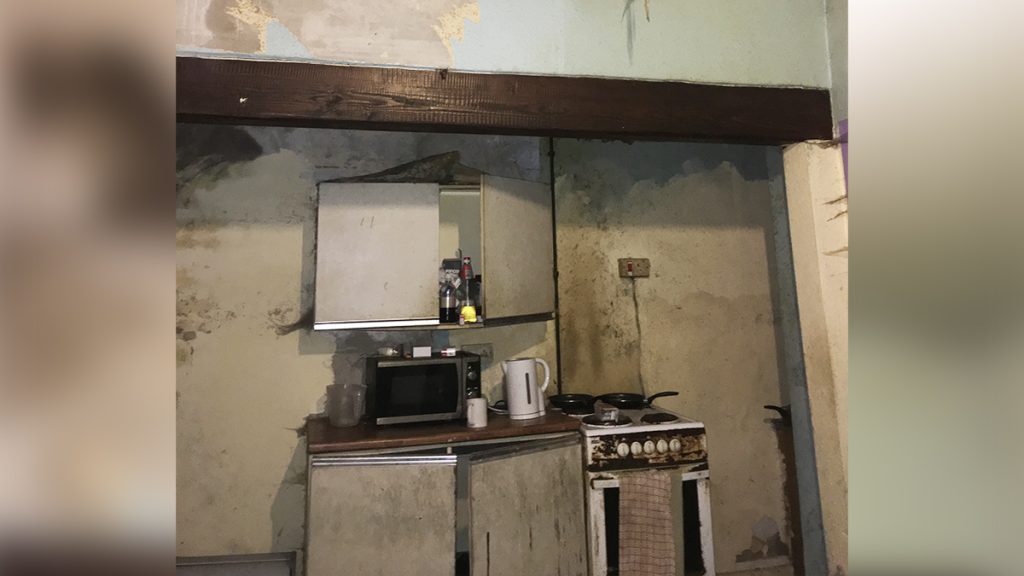
December brings festive cheers and a reason to be merry, but is it a good time to sell your home?
Are people doing a different type of Christmas shopping, one that involves buying bricks and mortar? Or is viewing properties the last thing anyone wants to do at this time of year?
Here, we look at whether selling your house in December is a good idea and how it might affect the sale.
Is December a good month to sell your home?
Historically, December isn’t a good month to sell a property.
Many people turn their attention towards Christmas and the New Year, with the idea of viewing, making offers and going through the process of buying a property perched very much in the back of their minds.
After all, it takes an average of 15-20 weeks from accepted offer to completion, according to recent property industry data—and most of that involves solicitors, surveyors, and mortgage lenders who all but close their doors over the Christmas period.
Most people tend to wait until the new year to begin house hunting, using December as a month to rest and celebrate. This causes the property market to slow down considerably during December and indeed, November too.
According to Rightmove’s market analysis, December is the second-poorest month in the year to sell a property, with November being the first.
It’s generally considered that October is the cut-off month for high demand in the property market. Many buyers will not want to be dealing with a house purchase over Christmas. Buyers want to enjoy Christmas peacefully in one home, and not in transition mode.
Even if you wanted to sell a house in December, most services—such as conveyancers, surveyors, and estate agents—that you would rely on for the sale to move along would be winding down before Christmas. And during Christmas week, these services may be completely closed.
Because of this, if your property is on the market over the festive period, it will likely extend the time to receive an offer and therefore risk your property becoming “stale”.
The reality of December timelines
Here’s what sellers often don’t realise: even if you accept an offer in mid-December, you’re unlikely to complete before late January or early February.
Most conveyancers and surveyors close from around December 23rd through to January 2nd. If you exchange contracts on December 20th, completion typically can’t happen until the New Year when offices reopen.
That means a December offer usually becomes a January completion—which is fine if you’re not in a rush, but frustrating if you’re trying to move quickly.
Did You Know?
If your buyer can’t complete on time due to their solicitor being closed over Christmas, you could be entitled to late completion interest—currently the Law Society’s interest rate (4% above the Barclays Bank base rate), applied daily to the remaining purchase price.
But collecting it means legal hassle, and it doesn’t solve the problem if you’re in a chain yourself. Better to factor in realistic timelines from the start than rely on penalty clauses later.
The chain risk multiplier
December doesn’t just slow things down—it actively increases the risk of your sale falling through.
The property market already sees significant challenges. Industry data shows that more than a quarter of property sales in England and Wales collapse before reaching completion. December amplifies this risk considerably.
Why? Because when you’re in a chain, everyone needs to move in sync.
If someone’s mortgage offer expires over Christmas when lenders are closed, the chain breaks. If a buyer gets cold feet during the festive slowdown, the whole thing collapses. If a surveyor is booked out until mid-January, everyone waits.
At Property Rescue, we’ve seen it countless times: sellers who listed in November, accepted an offer in early December, then found themselves still waiting in February because someone three steps up the chain pulled out over the holidays.
Our cash offers eliminate this risk entirely—no chain, no mortgage dependency, no seasonal delays. We work straight through December and complete on your timeline, not the market’s.
Should I list before or after Christmas?
This is the question most sellers wrestle with.
If you list in November or early December:
The upside is you’ll catch the small pool of serious buyers who are actively looking before the holiday shutdown. There’s also less competition—fewer properties coming to market means yours stands out more.
The downside? Services start winding down from mid-December, so even if you get an offer, completion will likely drag into January. And if your property doesn’t sell by Christmas, it can look “stale” when relisted in the New Year.
If you wait and list in early January:
You’ll benefit from the New Year motivation surge—more buyers, more energy, more momentum. Rightmove consistently sees a huge spike in traffic from Boxing Day onwards, with millions of buyers planning their next move.
The downside is more competition. Everyone who held off over Christmas relists in January, flooding the market.
Our take?
If you genuinely need to sell and can’t wait until spring, listing in November gives you the best shot at catching serious December buyers. But if you have flexibility, waiting until the first week of January captures the New Year surge without the service closure headaches.
Reasons to be cheerful about selling in December
Okay, so on the face of it, December looks like a tricky month to sell property. It’s not all bad news, however.
Here are some reasons to be cheerful about the prospect of selling a home in December.
Only serious buyers
House hunters on the market at this time of year are super serious about buying, meaning that the demand might be lower, but the intent is higher.
If one of these buyers lays eyes on your property, they will likely be eager to do a deal and get things moving swiftly. These aren’t casual browsers—they’re motivated by job relocations, rental agreements ending, or personal circumstances that can’t wait until spring.
Boxing Day madness
Every year, Rightmove observes a significant uptick in site traffic immediately following Christmas. The desire to relocate or purchase an initial home intensifies as people focus on the forthcoming year and begin to strategise.
Remarkably, over 51 million visits to Rightmove were recorded from Boxing Day to the first official workday of the new year in recent years.
Having your house already listed on the market at this time of year can present an excellent opportunity for your property to capture the attention of prospective buyers straight after Christmas.
Reaching new markets
The festive season often brings family and friends to different regions, providing a chance for potential buyers to explore relocation options beyond their current neighbourhood.
Therefore, if you’re contemplating whether to remove your property from listings in December, consider that you might lose out on this influx of visitors who could be scouting the local housing market.
People have more time off over the holidays
It’s easy to assume that the busy holiday season might deter potential buyers from viewing your home.
It’s worth considering, however, that the festive period also brings more leisure time for many. This extra time off work allows prospective buyers to peruse property apps, envision their ideal home aesthetics, and even arrange property viewings during the week when they’d normally be at work.
Tips for selling in December
If you do decide that there’s no time like the present and you need to sell your house in December, there are a few actions you can take.
These will give you the best shot of selling your home during one of the quietest periods of the year.
-
Use the weather to your advantage
When selling your home in December, it’s worth noting that the gloomy winter weather might not showcase your property in its best light. To counter this, create a warm and inviting atmosphere inside to appeal to buyers seeking a cosy retreat. Additionally, scheduling viewings during daylight hours is advisable, so potential buyers can fully appreciate both the interior and the garden in natural light. First impressions matter even more in winter—make sure your entrance is well-lit, paths are clear of leaves and ice, and curtains are open to maximise natural light. -
Be super organised
Keep in mind that as you prepare for Christmas, so are the professionals you’ll need for your house sale. If you’re selling in December, secure a conveyancer early on and enquire about their holiday schedule. Knowing their availability over the festive period will be helpful. Additionally, if you’re looking to purchase a property, it’s wise to consult a mortgage broker promptly to discuss your options and initiate the process without delay. Ask specific questions: When do they close for Christmas? When do they reopen? Will they handle urgent matters between Christmas and New Year? Can they exchange or complete during the shutdown period? -
Keep an eye on the temperature
Maintaining a warm and inviting atmosphere is important when showcasing your property. A well-heated home not only offers a pleasant viewing experience but also serves as a testament to the efficiency of your heating system. This can be a subtle indicator to potential buyers of the potential energy costs associated with the property. Ensure your home feels welcoming by having your heating running in advance of viewings. Remember to activate any radiators that are usually off, such as those in less frequently used rooms, to demonstrate the full capacity of your home’s heating capabilities. -
Understand completion timing and protect yourself
If you do accept an offer in December, be realistic about when completion will happen—and protect yourself in the contract. Most conveyancers will tell you exchange-to-completion takes 1-2 weeks in normal circumstances. In December, add at least an extra week for service closures. Better to factor in realistic timelines from the start than rely on penalty clauses later.
How can I sell my home in December quickly?
If you’re not keen on selling in the slow traditional market during one of the quietest times of the year, there are other options—such as selling directly to a fast property buying company like Property Rescue.
Property Rescue is as busy as ever during the December market lull, offering a swift and certain property sale process with exchange in as little as 48 hours and completion typically within 2-4 weeks—or at a timescale that best suits you. Our fastest ever sale completed in just 7 days for a homeowner facing repossession.
When the festive season brings a slowdown, our efficient service bypasses the usual delays.
We provide a cash offer, eliminating the wait for buyer mortgage approvals or the risk of chain collapses. This means sellers can proceed with their plans without being hindered by the seasonal dip in buyer activity and forgo viewings altogether.
Our streamlined approach means your sale isn’t left out in the cold, making it an ideal solution for anyone needing a quick and reliable sale during the festive period.
Because of our Sale and Rent Back service, we’re one of the only house buying companies in the UK that’s regulated by the FCA (Register number 522471)—giving you an extra layer of protection and peace of mind.
We operate throughout England and Wales, and you can reach our team on 020 8634 0224 for a free, no-obligation cash offer—usually within 24 hours of your enquiry.
Need to Sell in December?
Don’t let the festive slowdown hold you back. Property Rescue offers cash purchases with exchange in as little as 48 hours—working straight through Christmas when other services close.
Summary: ‘Tis the season
The December property market isn’t ideal, but that doesn’t mean you can’t get a swift sale at this time of year.
This is especially true when using Property Rescue, so why not get an instant, hassle-free quote with zero obligations?
This holiday season, the gift of a successful property transaction could be the best present under your tree.
Disclaimer
This article provides general guidance on selling property in December and does not constitute financial, legal, or professional advice. Property market conditions vary by location and circumstance. For specific advice regarding your situation, consult a qualified conveyancer or property professional.