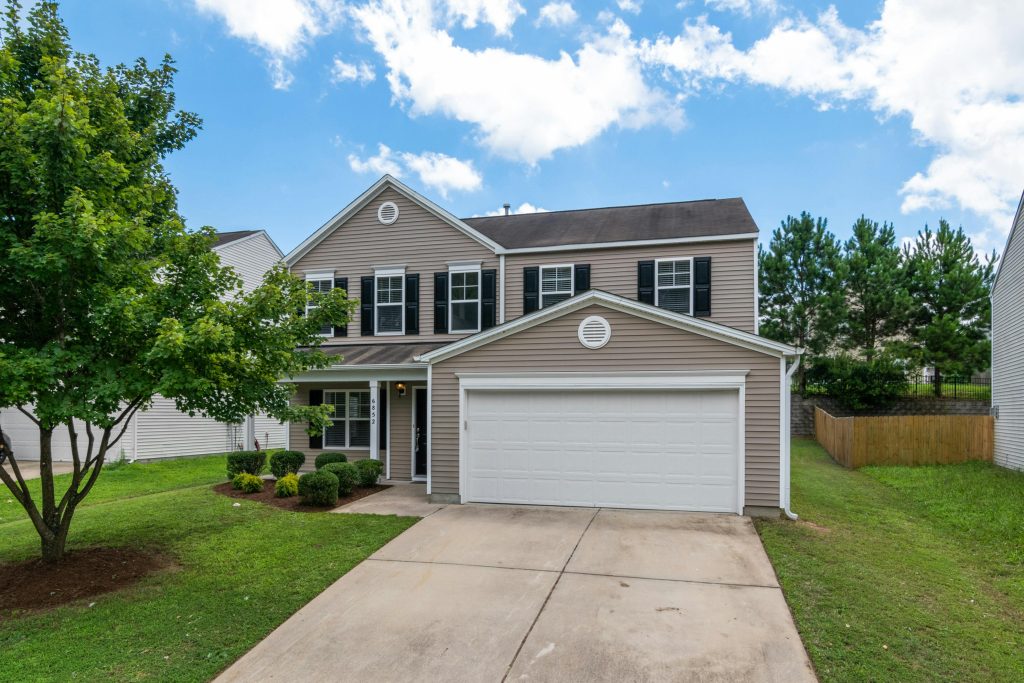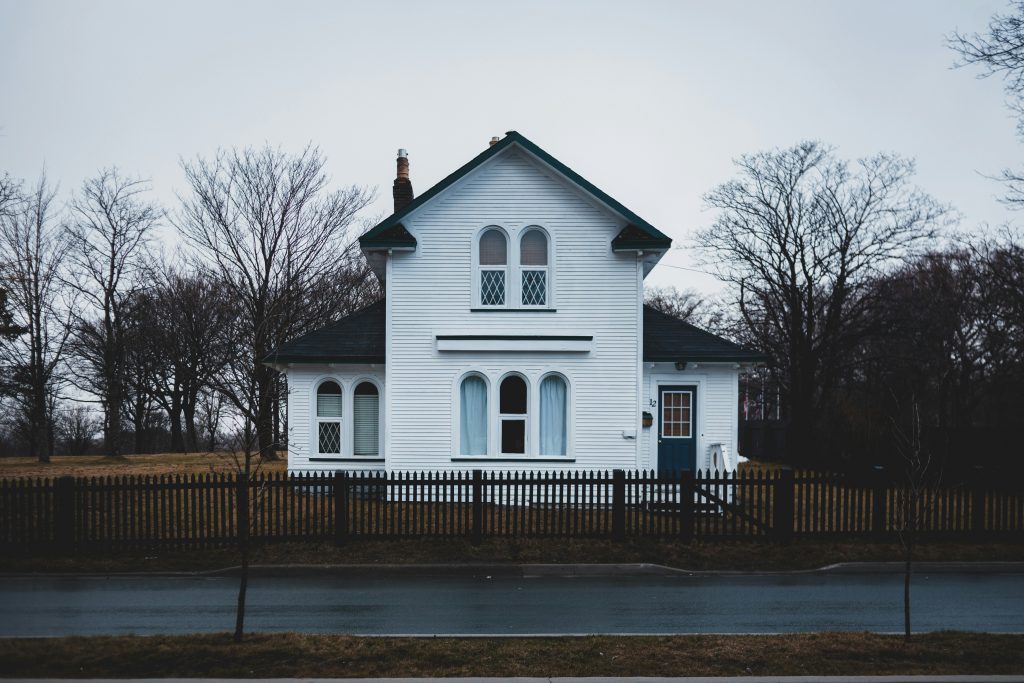
Looking to give your home a fresh new look but unsure where to start?
Here’s the uncomfortable truth: a full house refurbishment can cost anywhere from £40,000 to £280,000+ depending on the size of your property and the scope of work (Checkatrade).
But here’s what most people miss.
Not every refurbishment makes financial sense, especially if you’re planning to sell.
Over the last three years at Property Rescue, we’ve bought over 500 properties across England and Wales, many from sellers who started costly refurbishments only to realise they’d never recoup the investment. We’ve seen £30,000 kitchen renovations add just £15,000 in value. We’ve seen sellers sink £50,000 into repairs before running out of cash and time.
This guide walks you through realistic refurbishment costs for 2026, the hidden expenses most people miss, and when refurbishing actually makes sense versus selling as-is.
What you’ll learn:
- Current costs for common refurbishments (kitchens, bathrooms, heating, rewiring)
- Labour rates by trade across England and Wales
- What refurbishments actually add to property value (and which ones don’t)
- Funding options and the risks involved
- Legal requirements most people forget (planning permission, Building Regulations, VAT)
- When selling as-is beats refurbishing
Let’s start with the numbers.
How Much Does it Cost to Renovate a Home?
There’s no one-size-fits-all approach when it comes to the costs involved with renovating your home, but there is a ballpark figure you can use as a rough marker.
For a typical two-bedroom property in 2026, a full refurbishment costs between £50,000 and £90,000 including materials and labour (Checkatrade).
The table below shows the average cost for materials and labour for a two-bedroom home renovation in 2026:
| Item | Average cost (inc. VAT) 2-bed |
|---|---|
| New gas supply | £1,200 |
| New heating system | £4,500 |
| Rewiring | £4,800 |
| Windows (replacement throughout) | £3,500 |
| Replaster walls | £3,300 |
| Replaster walls & ceilings (re-skim existing) | £9,900 |
| Replaster walls & ceilings (hack off existing) | £19,800 |
| Replace skirting throughout | £2,500 |
| Paint walls, ceilings, doors and skirting | £5,000 |
| New cloakroom w/c (including tiling) | £1,650 |
| New kitchen | £14,500 |
| French doors | £2,100 |
| Kitchen extension (12 m²) | £16,000 |
| Skirtings for new extension | £290 |
| Knock down walls | £1,450 |
| New floors | £2,850 |
Costs shown are approximate averages for England and Wales as of March 2026. Always obtain multiple quotes for your specific project. Sources: Checkatrade 2026, Fifi McGee 2026
Important: VAT on Refurbishment Work
All standard labour costs in the table above include 20% VAT. However, exceptions apply: installing Energy Saving Materials (such as solar panels, insulation, heat pumps) is zero-rated for both materials and labour until 31 March 2027 (HMRC VAT Notice 708/6). Additionally, qualifying renovation work to a home that has not been lived in for at least 2 years can often be reduced-rated at 5%, but the relief is not universal. It applies to qualifying services, and only qualifying building materials supplied and installed by the contractor are reduced-rated; some items remain standard-rated (HMRC guidance).
Refurbishing your home is a significant undertaking that requires careful planning and budgeting. Costs can escalate rather quickly depending on the scale of your remodel and choices of materials, fixtures and finishes.
Use the average costs for a two-bedroom refurbishment shown in the table as a rough guideline when mapping out your own project.
Remember that unique factors like location, property size, and choice of materials will all impact the final cost significantly vs what’s in the table.
The total bill can climb to well over £80,000 for extensive renovations and sometimes into six figures.
The good news? By doing some of the work yourself and opting for a simple minimalist style and fittings, upgrading your space doesn’t have to drain your bank account.
Don’t Forget the Hidden Costs
Here’s what many homeowners overlook when budgeting:
Planning and permissions:
- Planning permission application: £528 in England / £585 in Wales (householder application to alter one dwellinghouse) or £588 in England / £667 in Wales (full application to create one dwelling)
- Building Regulations approval: £500–£1,500 depending on scope
- Party Wall agreements: £700–£1,500 for surveyor fees (required for extensions, loft conversions, or work affecting shared walls)
Site and temporary costs:
- Skip hire: £150–£400 per skip (you’ll likely need multiple)
- Scaffolding: £800–£1,500 per month
- Temporary accommodation (if unoccupied during major works): £1,000–£3,000+ per month
- Storage for furniture: £100–£300 per month
Insurance:
- Unoccupied property insurance: standard home insurance often lapses if property empty for 30+ days during refurbishment
- Contractor liability insurance: verify all tradespeople carry public liability cover (£5–10 million minimum)
Contingency:
- Always budget 15–20% contingency for unexpected costs (structural issues, asbestos discovery, outdated wiring worse than anticipated)
- On a £50,000 refurbishment, that’s £7,500–£10,000 buffer
From Our Experience
In buying 500+ properties over the last three years, one of the most common stories we hear is: “We budgeted £40,000, the quote came in at £45,000, and we ended up spending £62,000 by the time we’d dealt with the issues the builder uncovered.”
Contingency isn’t pessimism. It’s reality.
Factors to Consider When Renovating Your House
The size and layout of your existing property will determine how much work is required for renovations. Generally, the bigger the home, the more expense involved.
Location matters significantly:
Labour and material costs can be 20–30% higher in London and the South East compared to other regions (Checkatrade). A plasterer charging £170/day in Yorkshire might charge £240/day in Surrey.
Scope of work:
A new coat of paint and flooring will be far less than a major extension or plumbing overhaul. The choice of fixtures, finishes and appliances makes a difference too: higher-end materials, brands and modern technological upgrades all add to the price tag.
Did You Know?
If you’re considering a cellar or basement conversion, costs vary dramatically depending on existing conditions. Converting an existing cellar of sufficient height to habitable use typically costs £800–£2,250 per square metre, while new basement creation and excavation can cost £2,000–£4,000 per square metre in London (rising to £3,500–£5,000+ in prime postcode areas).
That means converting an existing 20m² cellar might cost £16,000–£45,000, while excavating a new basement of the same size could cost £40,000–£100,000.
Timelines affect budgets:
Projects done piecemeal over years can be affected by rising cost of materials and labour. While construction material prices remain volatile, recent UK government data shows more modest annual increases (around 2–3% in 2025-2026) compared to the double-digit spikes of 2021-22. Locking in quotes and completing work in a single phase often saves money.
Property condition:
If your property was built pre-1950, you’re more likely to encounter:
- Outdated wiring requiring full rewire (rather than partial upgrade)
- Lath-and-plaster walls (hack-off replastering costs 2× re-skim costs)
- Asbestos in floors, ceilings, or insulation (professional removal: £1,500–£3,000+)
- Structural issues (subsidence, cracked lintels, failing joists)
Being cognisant of these cost drivers from the start means you can plan and make decisions accordingly, so you go into your refurbishment project well informed and ready to avoid shocks further down the line after work is already underway.
Discussing your plans with multiple contractors (always get at least three quotes) will bring more clarity and understanding of the specific work required for your property.
Planning Permission and Building Regulations: Don’t Skip These
This is critical, so pay attention:
Many refurbishments require legal approvals, and proceeding without them can result in enforcement action, difficulty selling, and insurance issues.
When You Need Planning Permission
You’ll generally need planning permission for:
- Extensions beyond permitted development limits (see gov.uk Planning Portal)
- Loft conversions that raise the roof height
- Adding new windows in some cases (upper-floor side elevation windows generally need to be obscure-glazed and non-opening unless above 1.7m floor level; rules vary in conservation areas and for listed buildings)
- Significant external alterations (changing roof pitch, cladding)
- Any work in conservation areas or listed buildings
Cost: £528 in England / £585 in Wales for householder applications to alter one dwellinghouse; £588 in England / £667 in Wales for full planning applications to create one dwelling (Gov.uk / Gov.wales Planning Fees, 2026)
Timeline: Usually 8 weeks for householder and most non-major applications, 13 weeks for major applications (longer by agreement or for more complex cases)
When You Need Building Regulations Approval
You’ll need Building Regulations sign-off for:
- Structural work (removing walls, installing beams)
- Extensions and loft conversions
- Electrical rewiring (must use an electrician registered with a competent person scheme, or notify Building Control before work starts)
- Plumbing work (new bathrooms, drainage alterations)
- New heating systems
- Window and door replacements (thermal efficiency compliance)
Cost: £500–£1,500 depending on project scope
Why it matters: Non-compliant work can void your home insurance, make the property unsellable (buyers’ solicitors will request Building Regulations certificates), and require expensive retrospective applications or remedial work.
Warning: Non-Compliance Harms Property Value
From our 20 years buying properties across England and Wales, we’ve seen dozens of cases where undocumented extensions or loft conversions reduced property value by £20,000–£50,000 or derailed sales entirely. Buyers either walk away or demand steep discounts to cover indemnity insurance and risk.
If you’re planning structural work, extensions, or conversions, speak to your local authority Building Control department before work begins.
How Can I Fund a House Renovation?
Paying for refurbishment requires thorough preparation.
Here are the main funding routes:
1. Savings
Saving up income over time means you can self-fund smaller projects without taking on debt. This is the safest option: no interest, no risk.
2. Remortgaging or Home Equity Loans
Remortgaging to release equity can unlock cash for larger renovations. You’re essentially borrowing against the value of your home.
Pros:
- Lower interest rates than personal loans (secured on property)
- Can borrow larger amounts
Cons:
- Your home is at risk if you can’t keep up repayments
- Fees involved (arrangement fees, valuation, legal costs)
- You’ll pay interest over the mortgage term (could be 20–30 years)
Compare interest rates and fees carefully. Make sure the refurbishment will genuinely add more value than the cost of borrowing. Use comparison tools like MoneySavingExpert or speak to a mortgage broker.
3. Unsecured Personal Loans
Banks and building societies offer unsecured home improvement loans (typically £5,000–£25,000).
Pros:
- No risk to your home
- Fixed repayment terms (usually 1–7 years)
Cons:
- Higher interest rates than secured loans (often 5–12% APR)
- Smaller borrowing limits
- Affordability checks may limit amount you can borrow
Shop around using comparison websites and consider credit unions for competitive rates.
4. Retirement Savings
Some people tap into pension pots or retirement savings.
Warning: Think Carefully Before Using Retirement Funds
Using retirement funds for home improvements can have serious long-term consequences:
- Reduced income in later life
- Potential tax implications (pension withdrawals over 25% tax-free lump sum are taxed as income)
- Lost growth potential (money withdrawn can’t benefit from investment returns)
Speak to an independent financial adviser before withdrawing retirement savings for refurbishment.
Creating a Financial Plan
Before committing to any refurbishment:
- Get at least three detailed quotes from reputable contractors
- Add 15–20% contingency to the highest quote
- Include hidden costs (planning fees, skips, insurance, temporary accommodation)
- Calculate total cost including VAT
- Ensure you have accessible funds before starting work
Prioritise ruthlessly: If money is tight, separate must-haves (structural repairs, weatherproofing, safety issues) from nice-to-haves (cosmetic updates, high-end finishes).
What Can I Expect to Pay in Labour Costs?
Labour typically accounts for 40–60% of total refurbishment costs.
Labour costs vary significantly depending on the trade, skill level, and location. In London, for example, tradespeople command prices 20–30% higher than those in the Midlands or North (Checkatrade).
The table below shows average daily rates for common trades in 2026:
| Tradesperson | Daily Rate (Low) | Daily Rate (High) | Average Daily Rate |
|---|---|---|---|
| Apprentice | £112 | £150 | £130 |
| General labourer | £150 | £200 | £175 |
| Carpenter | £180 | £250 | £215 |
| Plasterer | £180 | £250 | £215 |
| Painter and decorator | £170 | £280 | £225 |
| General builder | £220 | £280 | £250 |
| Tiler | £220 | £280 | £250 |
| Roofer | £220 | £280 | £250 |
| Double glazing installer | £220 | £280 | £250 |
| Electrician | £280 | £400 | £340 |
| Plumber | £280 | £400 | £340 |
Rates shown are averages for England and Wales, March 2026. London rates often 20–30% higher. All rates subject to 20% VAT. Sources: Checkatrade 2026, Superscript 2026
Remember: These are approximations. For actual costs, contact local tradespeople and get written quotes.
How to Choose a Reliable Contractor
From buying 500+ properties in the last three years, we’ve seen the aftermath of cowboy builders: incomplete work, non-compliant installations, and homeowners left thousands of pounds out of pocket.
Here’s what to check:
Before hiring any tradesperson:
- ✅ Get at least three written quotes (itemised, not lump-sum)
- ✅ Check they’re registered with a trade body (e.g., NICEIC for electricians, Gas Safe for gas engineers, Federation of Master Builders)
- ✅ Verify public liability insurance (minimum £5 million cover)
- ✅ Ask for references and photos of previous work
- ✅ Never pay the full amount upfront (10% deposit maximum; staged payments tied to work completion)
- ✅ Get a written contract specifying scope, timeline, payment schedule, and what happens if deadlines slip
Red flags:
- ❌ Demands cash-only payment (often to avoid VAT)
- ❌ Knocks on your door offering to “do the work cheap” because “we’re in the area”
- ❌ Rushes you to decide immediately
- ❌ No written quote or contract
- ❌ Can’t provide insurance details or trade registration
Use platforms like Checkatrade, TrustATrader, or MyBuilder to find vetted contractors with verified reviews.
How Much Will Refurbishing My Home Increase Its Value?
Here’s the uncomfortable truth:
Not all refurbishments pay for themselves.
Deciding whether to renovate with an eye on increasing property value is tricky. ROI varies wildly depending on the upgrade, the property, and the local market.
What the Data Shows
Kitchen renovations deliver the strongest returns:
- A mid-range kitchen refit (£10,000–£15,000) can add up to 10% to property value in best-case scenarios (Yoop Architects, 2026)
- Average ROI: 50–67%, meaning you might recoup half to two-thirds of what you spend; results vary widely by property type, area, and execution quality
- Example: On a £250,000 property where a kitchen adds 10% value, a £12,000 spend could add £25,000, but this represents a best-case outcome, not typical ROI
Bathroom renovations offer more modest returns:
- A bathroom remodel typically adds 4–5% to property value (The Conversion Guy, 2026)
- Average cost: £5,000–£8,000 for mid-range refurbishment (Victorian Plumbing, 2026)
- Returns higher in London and competitive markets
Small cosmetic updates (paint, new carpets, minor repairs):
- Add 4–6% to saleability and appeal, but minimal monetary value increase
- Best used to make property “show-ready” rather than drive price up
Full extensive renovations (structural work, extensions, multiple rooms):
- Can yield over 70% ROI if done well (Schofields, 2026)
- But… they can also reduce value if poorly executed, over-capitalised for the area, or non-compliant
The Reality Check
From our experience across 500+ property purchases, here’s what sellers often get wrong:
Over-capitalising for the area:
- Installing a £40,000 luxury kitchen in a £200,000 terraced house in an area where similar properties sell for £210,000–£220,000
- You’ve just spent money you’ll never see again
Ignoring buyer preferences:
- Ultra-modern minimalist renovations in traditional period property areas (buyers wanted character)
- Removing period features (fireplaces, coving, original floors) in conservation areas
Non-compliant work:
- DIY electrical work not certified (buyers’ solicitors flag this; sale price drops £5,000–£10,000 for indemnity insurance or rewire)
- Undocumented extensions (we’ve seen £30,000 knocked off asking prices)
Taste-specific choices:
- Bold colours, niche layouts, highly personalised design: limits buyer pool
Bottom line: Strategic, well-executed renovations in line with local market expectations can add value. But refurbishment is not a guaranteed investment.
Your personal enjoyment during the years you live in the property also holds meaningful value; just don’t assume you’ll recoup every pound when you sell.
Do I Need to Refurbish My Home Before Selling?
This is one of the most common questions we get.
Short answer: usually not.
Deciding whether to renovate your property before putting it on the market is a dilemma many sellers face. While it can be tempting to make updates to maximise the sale price, extensive fixes aren’t always required or financially sensible.
When Refurbishment ISN’T Necessary
For homes in good structural condition with no major repairs needed, simple refreshes are often sufficient pre-sale preparation:
- Declutter and deep clean
- Fresh neutral paint (magnolia, white, light grey)
- Fix minor cosmetic issues (cracked tiles, scuffed skirting, broken handles)
- Tidy garden and improve curb appeal
- Professional clean of carpets or replace if heavily worn
Cost: £500–£2,000
Impact: Makes property presentable without major outlay
Even extensively dated properties can sell to buyers eager to put their own stamp on interiors. Many buyers actively prefer unrenovated properties because they get to choose finishes and design to their taste, and often pay less upfront.
When You SHOULD Address Issues
Some problems will deter buyers and harm sale price if left unresolved:
Structural and safety issues:
- Roof leaks or damage
- Damp (rising damp, penetrating damp, condensation)
- Faulty electrics (visibly dangerous wiring, non-functioning sockets)
- Broken boiler or heating system
- Significant subsidence or structural movement
Why these matter: Mortgage lenders often refuse to lend on properties with these issues flagged in surveys. Cash buyers will heavily discount offers to cover repair costs.
Did You Know?
In 2024, property transaction failures in England and Wales may have cost the wider economy up to £8.6 billion in lost home-mover spending. Many sales fall through when surveys reveal issues sellers didn’t address upfront.
Being transparent about property condition from the start, and pricing realistically if you’re not fixing issues, helps avoid wasted time, expense, and disappointment for everyone involved.
Curb appeal counts:
First impressions last. External facelifts to tidy outdoor areas generate more interest:
- Jet-wash paths and driveways
- Repaint or clean front door
- Trim overgrown hedges and weeds
- Replace broken fencing
- Tidy bins and clutter
Cost: £200–£800
Impact: Buyers form opinions within 10 seconds of arrival
The Maths: Refurbishment vs Selling As-Is
Let’s compare two scenarios for a property worth £250,000 in current condition:
Scenario 1: Refurbish before selling
- Kitchen renovation: £14,500
- Bathroom renovation: £7,000
- Rewiring: £4,800
- Replastering: £3,300
- Painting: £5,000
- Total spend: £34,600
- New asking price (assuming 60% ROI): £270,000
- Estate agent fees (1.42% inc VAT): £3,834
- Net cash from buyer: £266,166
- Minus refurbishment costs: £231,566 actual money in your pocket
- Time to complete: 3–6 months + sale time
- Carrying costs during refurb (mortgage, bills, council tax): £3,000–£6,000
Scenario 2: Sell as-is to cash buyer (Property Rescue)
- Offer (approx 80% market value): £200,000
- No agent fees, no legal fees (PR covers these)
- No refurbishment costs
- Net proceeds: £200,000
- Time to complete: 2–4 weeks
- Carrying costs: minimal
Scenario 3: Sell as-is via estate agent
- Asking price (as-is condition): £250,000
- Estate agent fees (1.42% inc VAT): £3,550
- Net proceeds: £246,450
- Time to complete: 3–6 months
- Carrying costs: £1,500–£3,000
The reality:
- Refurbishing gives you £31,566 more than selling to a cash buyer
- But it gives you £14,884 LESS than selling as-is via an estate agent (when you factor in the £34,600 refurb cost)
- Plus 3–6 months of stress, living through renovations, and carrying costs
In this example, refurbishing actually loses you money compared to selling as-is traditionally.
But that assumes:
- ✅ You have £34,600 available or can borrow it
- ✅ Refurbishment goes to budget (no overruns)
- ✅ Work completed on time (3–6 months)
- ✅ Property sells quickly after refurb (not guaranteed)
- ✅ You achieve 60% ROI (not guaranteed)
- ✅ You can afford to carry mortgage/bills during 3–6 month refurb + sales period
If any of those fail (budget overruns, project delays, property doesn’t sell, ROI lower than expected), you could actually lose even more money.
When selling as-is makes sense:
- ✅ You don’t have funds for refurbishment
- ✅ You need to sell quickly (repossession risk, probate deadlines, relocation, divorce)
- ✅ The property needs extensive work that would take months
- ✅ You can’t manage a refurbishment project (health, age, distance, stress)
- ✅ The local market is slow (refurbishment won’t speed up sale)
- ✅ You’ve already started refurbishment and run out of money/time
About 10% of sellers who contact Property Rescue would genuinely be better off listing on the open market, and we tell them so. We turn away enquiries where refurbishment and traditional sale would clearly net more, and the seller has time and funds to do it.
But for the other 90%, a fast certain cash sale beats months of stress, expense, and uncertainty.
Thinking About Selling Without Refurbishing?
Get a no-obligation cash offer within hours. No agent fees, no legal fees, no refurbishment costs.
What Options Do I Have for Selling My Home Quickly?
Whether your house needs minor fixes or major renovations, there is an appealing option for selling your home quickly without fronting the cost of upgrades.
Property Rescue: Cash Purchase in 2–4 Weeks
Property Rescue buys all types of homes, especially those in need of work. We operate across England and Wales and have completed over 500 property purchases in the last three years, with an average completion time of 28 days from offer acceptance.
Here’s how it works:
- Contact us: call 020 8634 0224 or request a quote online
- Receive an offer within hours: we provide a preliminary no-obligation cash offer typically within hours of your enquiry
- Accept or decline: no pressure, no obligation
- Survey and final offer: if you accept, we arrange an independent survey; in 90% of cases the final offer is within 95% of the initial offer
- Exchange and completion: we can exchange contracts in as little as 48 hours, with completion typically within 2–4 weeks or to your preferred timeframe
We cover all costs:
- No estate agent fees
- No legal fees (we instruct and pay for your solicitor)
- No repair costs
- No EPC, surveys, or marketing expenses
Our offer level:
We’re transparent: Property Rescue generally offers around 80% of market value for a fast cash sale. Higher returns are possible for assisted sales (where we help market the property on your behalf, extending the timeline but potentially increasing proceeds).
Why 80%? Because we’re buying in current condition, taking on all refurbishment costs and risk, and providing speed and certainty. When you factor in agent fees (~1.42%), repair costs, and carrying costs during a traditional sale, many sellers net 90–95% of market value anyway, but with far more stress and uncertainty.
Who we help:
Typical clients selling to Property Rescue include:
- Families managing probate after a parent passes away
- Executors needing to release funds quickly to distribute estates
- Landlords exiting the market (about 60% of our purchases involve landlords or owners with interest-only mortgages nearing expiry)
- Homeowners facing repossession
- People relocating for work and needing to move fast
- Sellers whose chains have collapsed
- Owners of properties in poor condition that would struggle on the open market
What our clients say:
98% of our clients tell us they’re surprised by how quickly the legal side moves and how straightforward the process is when there’s no chain involved. Our team’s compassionate and professional service is designed to make stressful situations easier.
Regulation and memberships:
Property Rescue is a founding member of the National Association of Property Buyers (NAPB) and a member of The Property Ombudsman. We’re based in Borehamwood, Hertfordshire, and have been a family home-buying business since 2005.
Summary: How Much Does it Cost to Refurbish a House?
Key Takeaways
- Full house refurbishment costs for a 2-bed property: £50,000–£90,000 (can exceed £280,000 for larger properties or high-end finishes)
- Labour accounts for 40–60% of total costs; rates vary significantly by region (London 20–30% higher)
- Always add 15–20% contingency for unexpected costs
- Don’t forget hidden costs: planning fees, Building Regulations, skips, scaffolding, insurance, VAT
- ROI is not guaranteed: kitchens might add up to 10% value in best cases (typical ROI 50–67%), bathrooms add ~4–5% value
- Planning permission and Building Regulations are legally required for most structural work, extensions, and conversions; non-compliance harms saleability
- Refurbishing before selling often isn’t necessary: cosmetic refresh usually sufficient unless major structural issues present
- Funding options (remortgaging, loans, retirement savings) carry risks; speak to a financial adviser before proceeding
When refurbishment makes sense:
- ✅ You’re staying in the property long-term and will enjoy the improvements
- ✅ You have funds available (savings or affordable borrowing)
- ✅ The refurbishment addresses functional issues (heating, damp, safety) not just cosmetics
- ✅ The upgrade is appropriate for your property type and local market
- ✅ You have time to manage the project (3–6 months minimum)
When selling as-is makes sense:
- ✅ You need to sell quickly
- ✅ You don’t have funds for refurbishment
- ✅ The property needs extensive work
- ✅ You want certainty (no risk of budget overruns, delays, or sale fall-throughs)
Next Steps
If you’re planning a refurbishment:
- Get at least three written quotes from vetted contractors
- Check legal requirements: contact your local authority planning and Building Control departments
- Budget realistically: include VAT, hidden costs, and 15–20% contingency
- Secure funding: speak to a financial adviser if considering remortgaging or loans
- Verify contractors: check trade registrations, insurance, and references
If you’re considering selling as-is:
Property Rescue can provide a no-obligation cash offer within hours.
We’ve helped over 500 families across England and Wales sell properties quickly and with certainty: no agent fees, no legal fees, no refurbishment costs.
Call 020 8634 0224 today for a free, no-obligation quote or visit propertyrescue.co.uk to see how much we can pay for your home, refurbished or not.
Disclaimer
This article provides general information about house refurbishment costs in England and Wales as of March 2026. It is not financial, legal, or professional advice.
Refurbishment costs vary significantly based on property condition, location, materials, and contractor rates. Always obtain multiple written quotes for your specific project.
Property Rescue is a property buying company, not a financial or legal adviser. If you’re considering remortgaging, loans, or using retirement savings to fund refurbishment, or if you have questions about planning permission, Building Regulations, or property law, consult a qualified professional:
- FCA-regulated financial adviser (for funding and borrowing decisions)
- Solicitor (for legal matters, planning permission, Building Regulations)
- Architect or surveyor (for structural work and design)
All costs and statistics cited are based on industry sources as of March 2026 and are subject to change.
For England-specific guidance: Gov.uk: Housing and local services
For Wales-specific guidance: Gov.wales: Housing