Ask ten builders how much it costs to refurbish a house and you’ll get ten different answers. Published guides often quote £1,000 to £1,800 per square metre, but those figures lean towards comprehensive, high-spec or London jobs. Priced room by room for a straightforward refurbishment outside London, the real spend usually works out closer to £500 to £800 per square metre. On a typical 90m² three-bed, that puts a whole-house refurb somewhere between £45,000 and £70,000 (and that is exactly what the room-by-room costs below add up to), with a lighter cosmetic job a good deal less.
The bigger question isn’t what a refurb costs. It’s whether that money comes back when you sell. Because after 21 years of buying, doing up and reselling houses across England and Wales, I’ve watched plenty of owners spend a fortune and get very little back for it.
So how much does it actually cost to refurbish a house?
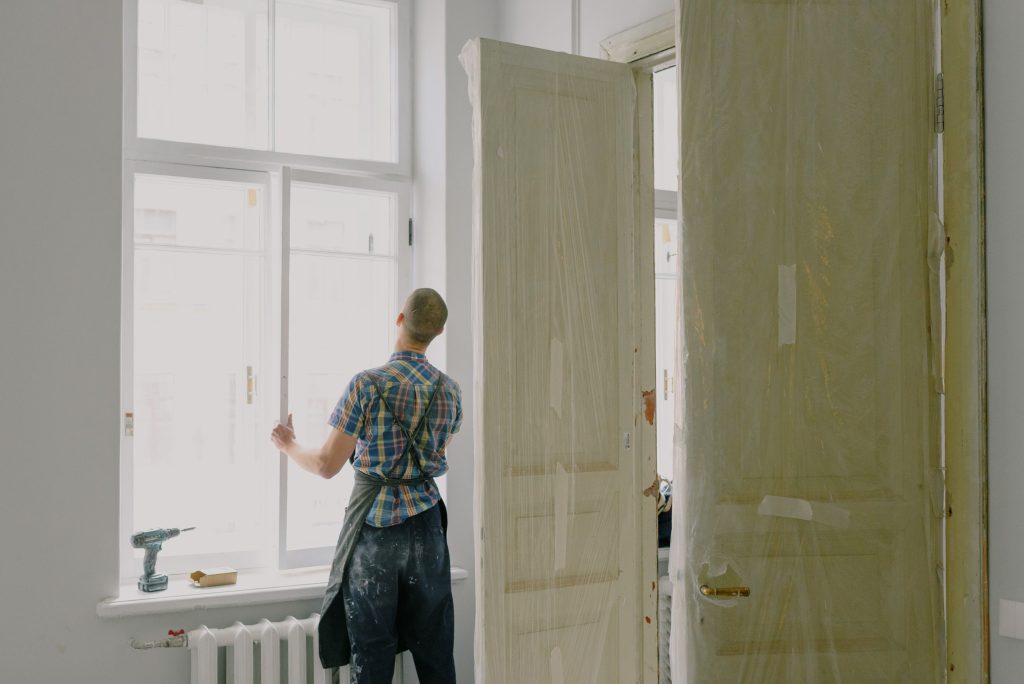
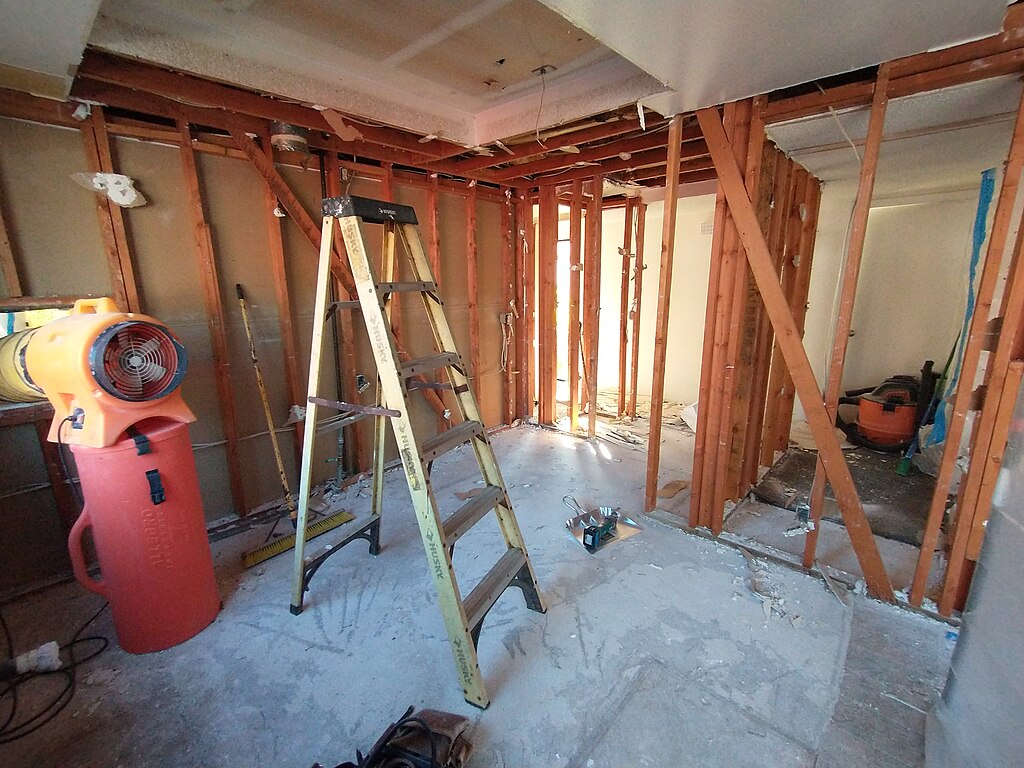
Cost depends on how deep you go. A quick cosmetic freshen-up is a world away from a full strip-back with new wiring, plumbing and heating. But refurbishment stops short of structural work and extensions, so it sits well below the cost of a full renovation.
Here’s how the 2026 numbers break down by level of work, based on a typical 90m² three-bed outside London.
| Level of refurbishment | What it covers | Typical whole-house cost (90m² three-bed) |
|---|---|---|
| Cosmetic refresh | Redecoration throughout, new flooring, minor repairs, refreshing the existing kitchen and bathroom | £15,000 to £25,000 |
| Mid-level refurb | New kitchen and bathroom, partial rewire, plastering, flooring throughout | £25,000 to £45,000 |
| Full refurb | Full rewire, replumb, new heating and quality finishes, everything short of structural work | £45,000 to £70,000 |
Sources: RenoCost 2026 refurbishment cost per m² guide; Uniqbuilds, 2026
Put another way, a full refurbishment works out at roughly £500 to £800 per square metre in 2026 (RenoCost, 2026). On a 90m² three-bed that is around £45,000 to £70,000, which is exactly where the top band above lands. A cosmetic refresh comes in well under that because it leaves the wiring, plumbing and heating alone.
If the job tips into structural work, an extension or a full strip-back-to-the-brick renovation, you are into different territory: £70,000 and up. We cover that end in our guide to how much it costs to renovate an average 3-bedroom house.
Live in London or the South East? Add 25 to 40 percent on top for labour and materials.
What’s the most expensive part to refurbish?
The big-ticket items are almost always the ones you can’t see once they’re done.
A full rewire on a three-bed runs around £4,000 to £8,500. A new central heating system is similar. A new roof can hit £18,000. Kitchens are the single priciest room, often £7,000 to £25,000 fitted.
The pattern is simple. The invisible work costs the most and thrills buyers the least.
Spending money doesn’t always add value
Sometimes a renovation makes a property easier to sell, rather than actually increasing the price you get for it. It depends how far you take things.
Done well, a competent full refurbishment can add value. Industry data suggests a good refurb adds roughly 8 to 15 percent to a tired home, with the biggest uplift in areas where buyers won’t take on a project themselves (Offrly, 2026).
But that uplift isn’t guaranteed. And it isn’t unlimited.
Every property has a ceiling value
Every home has a ceiling: the most the market will ever pay for that type of property, on that street, in that area. Spend past the ceiling and you simply won’t get it back.
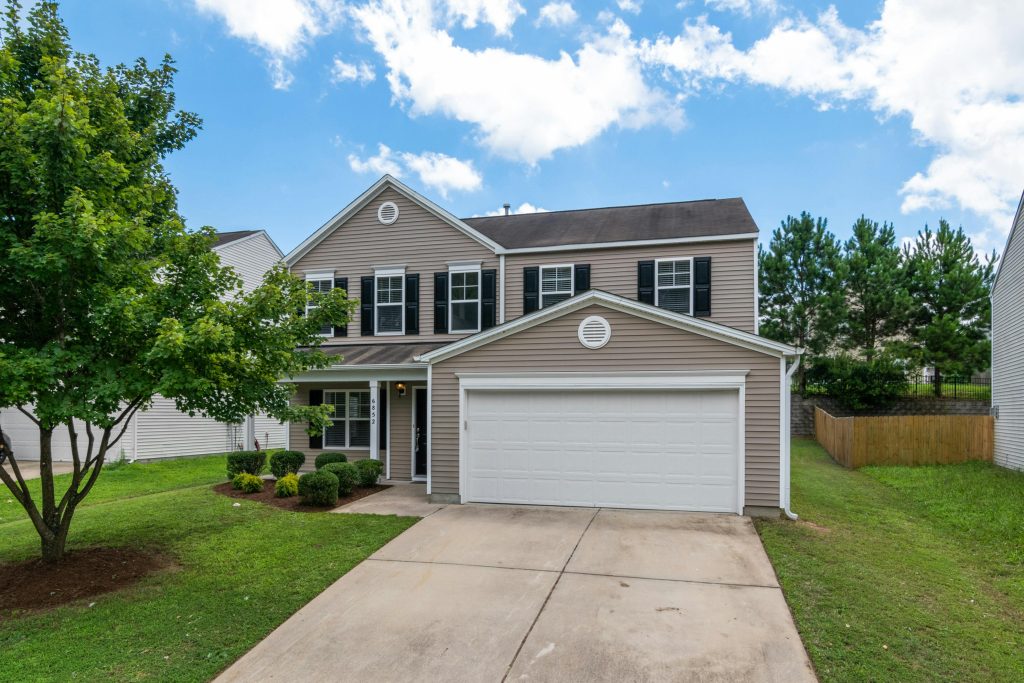
Put a £25,000 kitchen into a modest terrace and you won’t add £25,000 to the price. If four-bed semis in your town top out at £450,000, refurbishing yours to a £550,000 finish doesn’t make it a £550,000 house.
Know your ceiling before you spend a penny. Two or three local agent appraisals will tell you where it sits.
Buyer taste is a lottery
Buyers all have different taste. You could spend a lot of money doing a place up, and it may not appeal to everyone who walks through the door.
That’s why I always say keep colour schemes neutral. A bold kitchen or a statement bathroom might be exactly your style, but the next person has to love it enough to pay for it. Neutral sells to the widest crowd.
One thing that does travel across every buyer? Efficiency. An F-rated three-bed semi costs about £2,631 more a year to heat than the same house rated C, and buyers increasingly price that running cost into what they’ll offer (Rightmove, 2024). A new boiler or better insulation rarely wins beauty contests, but it does move the needle.
The biggest refurb mistakes I see
After two decades of this, the same errors come up again and again.
Cheap work that turns out expensive. Sometimes the quality just isn’t up to scratch, especially when people do it themselves and they’re not an expert. Thinking a workman was cheap can cost you dearly, because cheap becomes expensive fast if they do a bodge job you then have to redo.
Over-personalising. As above, neutral wins.
When buyers see the words “fully refurbished,” their expectations shoot up. If they’re paying more because it’s been done up, and it’s not to their taste, it can actually put them off. They don’t have the money left to redo it the way they’d like, so they walk.
Sometimes “fully refurbished” works against you.
A real example: the refurb that made a house worth less
I want to share a case that stuck with me, because it shows how spending money can make things worse, not better.
Case study: when a grant backfired
A client came to us with a steel-frame property. As part of a council grant, he’d had insulation added at a cost of thousands of pounds.
It was later discovered that the type of insulation used made the property unmortgageable. That had a real knock-on effect on the valuation, because it left the house only suitable for cash buyers.
He then had to get the insulation removed, which cost him time, money and a lot of stress. In the end he came to us, and we bought it.
The lesson isn’t “never insulate.” It’s that money spent without the right advice can drag a value down instead of lifting it.
Always check how a major change affects mortgageability before you commit. If a lender won’t touch the finished house, your pool of buyers shrinks overnight.
The hidden costs nobody budgets for
The quote from your builder is rarely the full picture.
Most people forget the contingency. On older homes especially, set aside 15 to 20 percent for the surprises hiding behind the plaster: damp, dodgy wiring, asbestos, structural quirks.
Do you pay council tax while renovating?
Short answer: yes, and the rules just got stricter.
From 1 April 2026, the discount that many councils used to give on empty properties undergoing major repairs is being removed. Some councils still offer a time-limited exemption for major structural work, but it varies and it’s no longer guaranteed.
Leave a home empty too long and it gets worse. Empty-home premiums can add 100 percent to your bill after one year, rising to 200 percent after five and 300 percent after ten (House of Commons Library, 2026).
Check your own council’s rules before the work starts. An empty house mid-refurb can quietly cost you every single month.
When it makes more sense NOT to refurbish before selling
Refurbishing before you sell only works if you have the time, the money and the certainty to see it through. A lot of sellers have none of those.
Most people who come to a cash buyer like us simply aren’t in a position to renovate. They might be facing repossession, financial difficulty or a divorce. Or they’ve been in a chain that’s broken, and depending on their next move, they never factored in finding an extra £40,000 to £50,000 to do the place up.
When that’s the reality, selling as-is isn’t giving up. It’s the sensible call.
Did you know?
Failed property sales were estimated to cost up to £8.6 billion in wider economic impact across England and Wales in 2024. Every broken chain means wasted survey fees, legal costs and abortive spend.
Source: GOTO Group, 2024
If you do have time and you’re not under pressure, a careful refurb can pay off, and a quick cash sale probably isn’t right for you. I’ll say that to sellers plainly. Not every situation suits us.
Planning a full project rather than a light touch-up? It’s worth reading our guide on how much it costs to renovate an average 3-bedroom house before you commit.
Is £40k or £50k enough to renovate a house?
It can be, but manage your expectations.
Forty to fifty thousand pounds comfortably covers a solid mid-spec refresh on a smaller property: new kitchen, new bathroom, redecoration, some new flooring. It won’t stretch to a full structural overhaul with a rewire, replumb and new heating on a bigger house.
The trick is matching the budget to the ceiling. Spend to the level the property and the area can support, and no further.
Key Takeaways
- A full UK refurbishment costs roughly £500 to £800 per m² in 2026, or around £45,000 to £70,000 on a 90m² three-bed. A cosmetic refresh starts nearer £15,000. Structural work pushes past £70,000.
- A refurb often makes a home sell more easily, not for more money. Sometimes it adds value, sometimes it just shifts the property.
- Every home has a ceiling value. Spend past it and you won’t get it back.
- Keep colour schemes neutral. Cheap or DIY work is a false economy if you have to redo it.
- “Fully refurbished” raises buyer expectations and can put people off if the finish isn’t to their taste.
- Check mortgageability before any major change. The wrong insulation once made a client’s house unmortgageable.
- If you’re under pressure and can’t fund the work, selling as-is is often the smarter move.
Selling As-Is? Skip the Refurb Entirely
We buy houses in any condition for cash. No works, no fees, no chain. Get a no-obligation offer within 24 hours.
This article is general information, not financial, tax or legal advice. Refurbishment costs, council tax rules and property values vary by location and individual circumstances. Council tax, VAT and mortgageability matters should be confirmed with your local council, HMRC, a qualified surveyor or a mortgage adviser before you commit to work. Property Rescue is regulated by the FCA for Sale and Rent Back only (FCA Register 522471).
Thinking of selling instead of spending? Get a free, no-obligation cash offer from Property Rescue. No fees. No refurb. No risk. Call 020 8634 0224 or get your free cash offer.