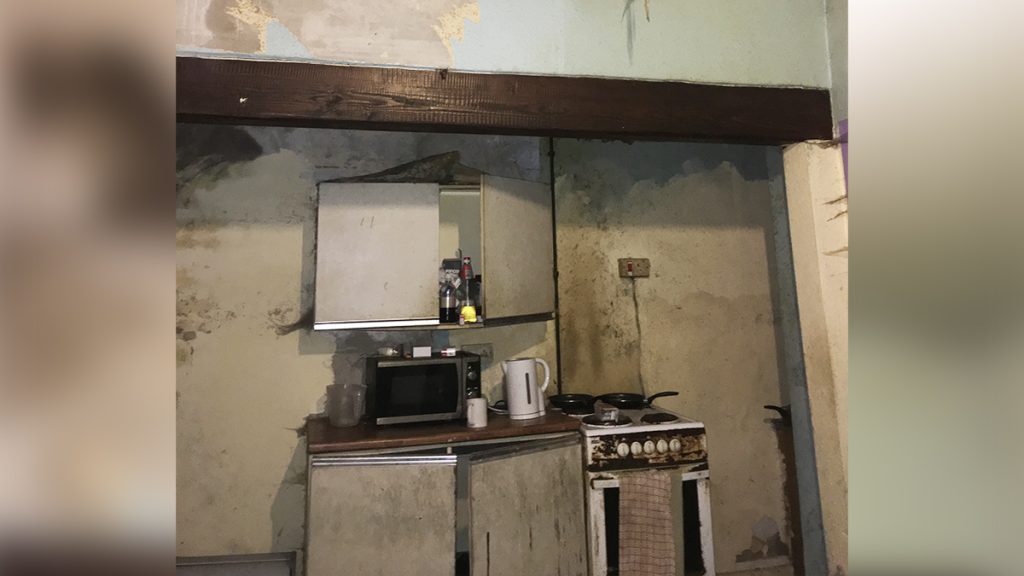
There are over one million vacant homes in England alone. And a large chunk of those are derelict, falling apart, with nobody living in them and no obvious buyer in sight.
If you own one, you already know the problem. Estate agents don’t want to list it. Mortgage lenders won’t touch it. And every month it sits empty, you’re haemorrhaging money on council tax, insurance, and security.
The good news? You absolutely can sell a derelict house without spending a penny on repairs. You just need to know which route suits your situation.
This guide covers everything: what counts as derelict, what your property is actually worth, how to sell it (four different ways), and what legal and tax issues you need to know about before you do.
Key Takeaways
- You can sell a derelict house without repairing it, but your buyer pool is limited to cash buyers, developers, and auction bidders because mortgage lenders typically refuse to lend on uninhabitable properties.
- Derelict properties typically sell for 30-50% below the value of comparable homes in good condition. The land value is often worth more than the building itself.
- Council tax premiums on empty homes can now reach up to 300% of the standard bill, making speed of sale financially critical.
- Cash property buyers offer the fastest route, with sales completing in as little as 2-4 weeks, no repairs needed, and no chain to collapse.
- Buyers of derelict property may benefit from non-residential SDLT rates, which can make your property more attractive, but the threshold for qualifying is extremely high following the Mudan v HMRC ruling.
What Actually Counts as a “Derelict” House?
First, let’s clear something up. “Derelict” gets thrown around loosely, but it has a specific meaning when it comes to selling property.
A derelict property is one that has deteriorated so badly it cannot be lived in without major reconstruction work. We’re not talking about a tired kitchen or a dated bathroom. We’re talking about a building that has fundamentally failed.
Signs a property is genuinely derelict
- Structural failure – collapsed or severely cracked walls, subsidence, missing load-bearing elements
- Roof failure – large sections missing, open to the elements, water ingress throughout
- No functioning services – no working electricity, gas, water supply, or drainage
- Missing key rooms – no functioning kitchen or bathroom
- Severe damp, mould, or rot – timber decay so advanced that floors, joists, or roof timbers are compromised
- Hazardous materials – asbestos, lead paint, or contaminated land requiring specialist removal
- Boarded up or unsecured – windows blown out, doors missing, open to trespass
There is an important distinction between derelict, uninhabitable, and simply in poor condition. A house with no heating and damp walls is in poor condition. A house with a collapsed roof and no running water is uninhabitable. A house where the structure itself is failing and reconstruction is needed? That’s derelict.
The distinction matters because it affects everything from how you sell it to how buyers finance it and how HMRC taxes it.
Did You Know?
England now has more than one million vacant homes (1,022,433 across all categories), and long-term empty homes rose 14% in a single year to 303,143. That figure is up over 50% since 2016.
Source: Action on Empty Homes, 2024
Why Is Selling a Derelict House So Difficult?
If you’ve tried selling a derelict property through normal channels, you’ll know how frustrating it is. Here’s why it’s harder than a standard sale.
1. Mortgage lenders won’t finance it
This is the biggest barrier. Most mainstream mortgage lenders require a property to be habitable before they’ll lend on it. No functioning kitchen, no bathroom, no weatherproof roof? The mortgage application gets declined.
That immediately cuts out the vast majority of buyers. First-time buyers, chain-dependent movers, anyone who needs a mortgage, they’re all excluded from your buyer pool.
Did You Know?
Most mainstream lenders decline mortgage applications on derelict properties with no kitchen or bathroom. Specialist bridging finance may be available, but rates can reach up to 1.5% per month in high-risk cases, making speed of renovation financially critical for the buyer.
2. Estate agents rarely want to list them
High-street estate agents work on commission. They earn when a sale completes. Derelict properties are harder to market, attract fewer viewings, take longer to sell, and have a higher rate of sale collapse.
Many agents will simply refuse the instruction. Those who do take it on may set unrealistic expectations, or the property languishes on the market for months (sometimes years) without a credible offer.
3. Viewings are problematic
Safety is a genuine concern. If the building has structural issues, missing floors, or hazardous materials, you can’t just let people wander through with an estate agent. You may need a structural engineer’s report before anyone sets foot inside, and that costs money you might not want to spend.
4. Buyers factor in massive renovation costs
Even buyers who want a project will heavily discount their offer to account for renovation costs. And those costs are significant.
| Work Required | Typical Cost Range |
|---|---|
| Full demolition | £8,000 – £20,000 |
| Asbestos removal | £5,000 – £15,000 |
| New roof | £5,000 – £12,000 |
| Structural repairs (walls, foundations) | £10,000 – £50,000+ |
| Full rewire | £3,000 – £5,000 |
| New plumbing throughout | £4,000 – £8,000 |
| New kitchen | £5,000 – £15,000 |
| New bathroom | £3,000 – £8,000 |
| Damp proofing | £2,000 – £10,000 |
A full renovation of a derelict house can easily reach £50,000 to £150,000+ depending on the severity, the size, and the location. Buyers know this, and their offers reflect it.
What Is a Derelict House Actually Worth?
This is the question most owners struggle with. You remember what you paid for it (or what it was worth when you inherited it). But a derelict house is worth what someone will pay for it today, and that is driven by three things.
1. The land value
With many derelict properties, the land underneath is worth more than the building sitting on it. If the plot has residential planning potential (or existing use rights), that is where the real value lies.
Check what nearby plots of land have sold for recently. Your local authority’s planning portal and the Land Registry’s Price Paid Data are useful starting points.
2. The development potential
A derelict house with planning permission (or realistic planning potential) for conversion, extension, or rebuild is worth considerably more than one in a conservation area with restrictive covenants.
Key questions to consider:
- Could the existing building be converted or extended?
- Could the site be cleared and rebuilt from scratch?
- Is the property in a conservation area, green belt, or Area of Outstanding Natural Beauty?
- Does the property have existing permitted development rights?
3. Location, location, location
A derelict cottage in a desirable village in the Cotswolds is worth far more than a derelict terrace in a declining post-industrial town. Location drives land value, and land value is the floor price for a derelict property.
As a rough guide, derelict properties typically sell for 30-50% below the value of comparable homes in good condition. In London and the South East, derelict properties can still fetch £150,000 to £250,000+. In the North and Midlands, prices may start below £50,000.
Getting a proper valuation
For an accurate assessment, consider getting:
- A RICS valuation from a chartered surveyor experienced with derelict or unusual properties
- Two or three estate agent appraisals (even if they won’t list it, most will give you a figure)
- An auction house estimate if you’re considering that route
Compare what similar derelict properties in your area have actually sold for (not asking prices) using the Land Registry or Rightmove’s sold prices tool.
Four Ways to Sell a Derelict House Without Repairing It
Let’s look at each option in detail, including the pros, cons, and realistic timelines.
Option 1: Sell to a cash property buyer
Cash property buyers (also called quick-sale companies) purchase properties directly for cash, in any condition, without requiring the seller to carry out repairs first.
How it works:
- Initial enquiry. You contact the buyer and describe the property. This typically takes 5-10 minutes by phone.
- Indicative offer. You receive a cash offer, usually within 24 hours.
- Independent valuation. The buyer sends an independent surveyor and checks with local estate agents to confirm the value. This takes around five working days.
- Formal offer. You receive a confirmed offer. With reputable buyers, this matches the initial indicative offer in most cases.
- Solicitors instructed and exchange. Once you accept, solicitors are instructed and exchange can follow quickly.
- Completion. You receive the cash and hand over the keys, typically within 2-4 weeks of accepting the offer.
Pros:
- No repairs needed at all
- Fast completion (typically 2-4 weeks)
- No chain, no mortgage dependency, no risk of collapse
- Reputable buyers cover your legal fees
- Certainty of sale once the offer is accepted and survey completed
Cons:
- You will receive below market value (typically 75-85% of what a habitable property would fetch; less for a derelict building)
- You need to check the buyer is legitimate (look for NAPB membership, Property Ombudsman registration, and transparent processes)
Best for: Owners who need to sell quickly, are tired of holding costs, or have inherited a property they cannot or do not want to renovate.
Option 2: Sell at auction
Property auctions are a well-established route for selling derelict and unusual properties. Auction houses have a ready pool of developers, investors, and renovation enthusiasts actively looking for projects.
How it works:
- You instruct an auction house, who will value the property and agree a guide price and reserve
- The property is marketed for 3-4 weeks before the auction
- Bidders compete on auction day
- When the gavel falls, contracts exchange immediately. The buyer pays a 10% deposit on the day and must complete within 28 days (in a traditional auction)
Did You Know?
At a traditional property auction, contracts exchange the moment the gavel falls. This eliminates gazumping entirely and gives sellers certainty that the sale will complete. Buyers must pay a 10% deposit immediately and complete within 28 days.
Source: Homeward Legal, 2024
Pros:
- Competitive bidding can drive the price up
- Binding sale on the day (no fall-throughs after auction)
- Auction houses know how to market unusual properties
- Pool of experienced developer-buyers who aren’t fazed by dereliction
Cons:
- Auction fees (typically 2-2.5% of the sale price plus a buyer’s premium)
- No guarantee the property will sell (if bidding doesn’t reach your reserve)
- You need a legal pack prepared beforehand (solicitor costs of £500-£1,000+)
- Timeline of 6-8 weeks from instruction to auction day
Best for: Owners who want competitive pricing, have realistic expectations, and can wait 6-8 weeks for the auction cycle.
UK property auctions raised £5.5 billion in 2024, with 28,063 lots sold. Unmodernised homes made up nearly 30% of all auction stock, confirming strong demand from developers and investors for properties needing work (Essential Information Group, 2025).
Option 3: Sell directly to a developer or investor
If your derelict property sits on a plot with development potential, you may be able to sell directly to a local developer or property investor. This cuts out auction fees and gives you more control over the process.
How to find them:
- Check local planning applications to see who is developing nearby
- Contact local property investor networks
- Advertise on property investor forums and platforms
- Ask local estate agents if they know developers looking for plots
Pros:
- No auction fees
- May achieve a higher price if the development potential is strong
- More flexibility on timeline
Cons:
- Finding the right buyer takes time and effort
- Negotiations can drag on
- No guarantee of a credible offer
- Risk of time-wasters
Best for: Owners with a strong development site who are willing to invest time in finding the right buyer.
Option 4: Sell through an estate agent (with caveats)
Some estate agents will list derelict properties, particularly those with strong land value or in desirable locations. But you need to go in with your eyes open.
Pros:
- Maximum market exposure
- Potential to achieve the highest price
Cons:
- Very long sales timeline (12-18 months is common for derelict properties)
- Higher rate of sale collapse (buyer surveys often reveal worse-than-expected issues)
- Agent fees of 1-2% + VAT even if it takes a year to sell
- Many agents will refuse the instruction outright
- Limited buyer pool due to mortgage restrictions
Best for: Owners who aren’t in a rush and believe the property’s location or development potential justifies waiting for the right buyer.
Which option is right for you?
| Method | Typical Timeline | Likely Price | Fees to Seller | Certainty |
|---|---|---|---|---|
| Cash buyer | 2-4 weeks | Below market value | None (covered by buyer) | High |
| Auction | 6-8 weeks | Variable (competitive) | 2-2.5% + legal pack | Medium |
| Direct to developer | 2-6 months | Depends on site | Your own legal costs | Low-Medium |
| Estate agent | 12-18 months | Highest potential | 1-2% + VAT | Low |
Own a Derelict Property You Want to Sell?
We buy derelict houses in any condition across England and Wales. No repairs needed. No fees. No chain. Get a cash offer within 24 hours.
Legal Issues You Need to Know Before Selling
Selling a derelict house isn’t quite the same as selling a normal residential property. Here are the legal and practical issues that catch sellers out.
Do you need an EPC?
Normally, yes. An Energy Performance Certificate is legally required when selling a property in England and Wales. However, there is a specific exemption for buildings that are to be demolished. If the property is being sold with the intention of demolition and you have planning consent for demolition, you may not need an EPC.
If the property is derelict but is not being sold for demolition, you will still need an EPC. And getting an EPC assessment done on a derelict property can be tricky if the assessor deems the building unsafe to enter.
Speak to your solicitor about whether the demolition exemption applies to your situation.
Planning permission and rebuild rights
One of the most valuable things about a derelict house is the fact that a residential building already exists on the site. But be careful about assumptions.
Important
Demolishing a derelict house does not automatically give you planning permission to rebuild. If you (or your buyer) knock the building down, the right to build a replacement is not guaranteed. Always check with the local planning authority before any demolition work.
That said, there are routes that may help:
- Prior approval for demolition and rebuild. Since August 2020, permitted development rights allow the demolition and rebuild of certain vacant residential and commercial buildings as new homes, subject to prior approval from the local authority. The building must be genuinely vacant or derelict.
- Full planning application. For anything outside permitted development, you’ll need a full planning application. This is the standard route and typically takes 8-13 weeks for a decision.
- Existing use rights. If the site has an established residential use, this carries weight in a planning application even if the building itself is derelict.
For a buyer, a derelict house with clear planning permission for rebuilding or conversion is worth significantly more than one without. If you can secure planning before selling, it could substantially increase your sale price.
Council tax on empty and derelict properties
This is where the holding costs start to bite. Since April 2025, councils in England can charge escalating premiums on long-term empty properties:
| Period Empty | Maximum Premium (England) | Total Council Tax |
|---|---|---|
| 1+ year | 100% | Up to 2x normal bill |
| 5-10 years | 200% | Up to 3x normal bill |
| 10+ years | 300% | Up to 4x normal bill |
Source: MHCLG, 2024
In Wales, councils can charge up to 300% premium on long-term empty homes and second homes (Welsh Government, 2023).
There is, however, an important escape route. If a property is so severely derelict that it is no longer a “dwelling,” you can apply to the Valuation Office Agency (VOA) to have its council tax band deleted entirely. The VOA will only do this if the property is in such a state that it requires major reconstruction to be lived in again. You’ll need to provide evidence including dated photographs showing structural and services failures.
New from April 2025: Properties being actively marketed for sale through a recognised agent are exempt from the empty homes premium for up to 12 months (Class G exemption). This is worth knowing if you’re listing the property while exploring your options.
Stamp duty for buyers of derelict property
This isn’t your problem as the seller, but it affects how much a buyer is willing to pay. And understanding it helps you price realistically.
If a property is genuinely uninhabitable and has lost its fundamental character as a dwelling, the buyer may qualify for non-residential SDLT rates instead of residential rates. Non-residential rates are lower, which means the buyer’s total purchase cost is reduced.
However, the bar is extremely high. Following the Court of Appeal decision in Mudan v HMRC [2025], HMRC takes a very strict view. Severe disrepair, vandalism, missing fittings, and the need for extensive renovation do not automatically mean a property stops being a dwelling. Over 95% of “not suitable for use” claims are rejected by HMRC (Propertymark, 2025).
For a property in Wales, Land Transaction Tax (LTT) applies instead of SDLT, with its own rules and rates.
Capital gains tax considerations
If the derelict property was once your main home, you may benefit from Private Residence Relief (PRR). But PRR only applies to the period you actually lived in it, plus the final nine months of ownership. If the property has been empty and derelict for years, a significant portion of the gain may be taxable.
For inherited derelict properties, CGT is calculated on the gain since the date of death (probate value), not the original purchase price.
Current CGT rates on property are 18% (basic rate) and 24% (higher rate), with an annual exempt amount of £3,000. Speak to a qualified tax adviser before selling, as the tax implications can be significant.
What About Insurance and Liability?
While you still own a derelict property, you have responsibilities.
Insurance
Standard home insurance policies do not cover derelict or unoccupied properties. You’ll need specialist unoccupied property insurance, which typically costs more and comes with conditions (regular inspections, maintaining security, draining water systems in winter).
If you don’t have insurance and someone is injured on your property, you could face a personal injury claim. This is a real risk with derelict buildings, particularly if the site is accessible to trespassers or children.
Owner’s liability
Under the Occupiers’ Liability Act 1984, you owe a duty of care even to trespassers if you’re aware of a danger on the property and know (or should know) that people may come near it. Boarding up, fencing, and warning signs are all sensible precautions.
Council enforcement
Local authorities have a range of powers they can use if a derelict property becomes a nuisance or danger:
- Section 215 notice (Town and Country Planning Act 1990) requiring you to clean up land or buildings that are adversely affecting the amenity of an area
- Empty Dwelling Management Orders (EDMOs) under the Housing Act 2004, allowing councils to take management control of empty homes (though this power is rarely used in practice)
- Compulsory Purchase Orders (CPOs) as a last resort, though this requires ministerial approval and is a lengthy process
None of these powers are commonly enforced against individual homeowners, but they exist, and the threat of council action is another reason not to let a derelict property sit indefinitely.
How to Get the Best Price for Your Derelict Property
Even if you’re not willing to renovate, there are things you can do to maximise the sale price without major expenditure.
1. Get the paperwork in order
Buyers of derelict properties are typically experienced investors or developers. They want information, not emotional selling. Prepare:
- Title deeds and Land Registry documents
- Planning history (past applications, permissions, and any pre-application advice)
- Any structural or survey reports you already have
- Asbestos reports if applicable
- Council tax status and any correspondence with the local authority
- Details of any charges, liens, or restrictions on the property
2. Explore planning potential before selling
If you can secure outline planning permission or a positive pre-application response from the local planning authority, this significantly increases the value. A derelict house on a plot with planning permission for two new homes is worth far more than the same house without it.
A pre-application enquiry to the council typically costs £200-£600 and gives you an informal view on what development might be supported.
3. Make it safe and accessible
You don’t need to renovate, but making the property safe for viewing can help:
- Clear rubbish and overgrown vegetation from the exterior
- Board up or secure any dangerous openings
- Arrange for a structural engineer’s report so buyers know what they’re dealing with
4. Price realistically
The fastest way to kill a sale is overpricing. Derelict properties attract a hard-nosed buyer pool. They know exactly what renovation costs, and they’ll walk away from an unrealistic asking price without blinking.
Look at what comparable derelict properties have actually sold for (not listed for), and price accordingly. If you’re going to auction, let the auction house guide you on the reserve.
Selling a Derelict House You’ve Inherited
A large proportion of derelict property sales involve inherited homes. The owner has passed away, the property has been left empty for months or years during probate, and by the time the beneficiaries are ready to deal with it, the condition has deteriorated significantly.
If this is your situation, here are the key points:
- You need a grant of probate before you can sell (or letters of administration if there’s no will)
- CGT is based on the probate value, not the original purchase price, so get a professional valuation at the date of death
- Multiple beneficiaries need to agree on the sale approach, which can cause delays
- The property may have deteriorated further since the date of death, reducing its value below the probate valuation
- Speed matters because the estate is incurring holding costs (council tax, insurance, security) while the property sits empty
Cash property buyers are a particularly common route for inherited derelict properties because the executor or beneficiaries often want a clean, fast resolution without the hassle and expense of renovation or a drawn-out sale.
How Property Rescue Can Help
We’ve been buying properties across England and Wales for over 20 years, and derelict houses are a regular part of what we do. We buy over 500 properties a year, and our average completion time is 28 days from the day we agree a price. The fastest we’ve ever completed was seven days, for a repossession case in Kent where time really was of the essence.
Here’s how our process works for derelict properties:
You give us a call (it takes about 10 minutes) and we’ll have an indicative cash offer back to you within 24 hours. We then send an independent valuation firm to the property and check with a couple of local estate agents. In 95% of cases, our formal post-survey offer is exactly the same as the initial indicative offer. Only around 5% of the time does a survey reveal something that requires an adjustment. The whole valuation process takes about five working days, and from there we can exchange in as little as 48 hours.
What you get:
- A cash offer within 24 hours, no obligation
- No requirement to carry out any repairs whatsoever
- We cover your legal fees when you use our recommended solicitor (an independent, established firm, not in-house)
- No estate agent fees
- Completion in 2-4 weeks, or to your preferred timeframe
- We’re members of the National Association of Property Buyers (NAPB) and The Property Ombudsman
- Because of our Sale and Rent Back service, we’re one of the only house buying companies in the UK that’s regulated by the FCA (Register 522471)
We should be honest: a cash sale isn’t right for everyone. If you have time and aren’t under pressure, you may get a better price through auction or a direct developer sale. But if you need certainty, speed, and zero hassle, that’s where we come in.
Ready to Sell Your Derelict Property?
No repairs. No fees. No chain. Get a free, no-obligation cash offer from Property Rescue within 24 hours.
Frequently Asked Questions
Can I sell a derelict house without doing any repairs?
Yes. There is no legal requirement to repair a property before selling it. The key is finding the right type of buyer. Cash buyers, auction buyers, and developers all purchase derelict properties in as-is condition. Mortgage-dependent buyers are generally excluded because lenders won’t finance uninhabitable properties.
How much is a derelict house worth?
It depends on the land value, location, and development potential. As a rough guide, derelict properties sell for 30-50% below what a comparable property in good condition would fetch. In London and the South East, prices can still reach £150,000+. In other regions, they may start below £50,000. The land value is typically the most important factor.
Do I need planning permission to demolish a derelict house?
Demolition of a house generally falls under permitted development and does not usually require planning permission. However, prior notification to the local authority is required, and in conservation areas or for listed buildings, full planning permission is needed. Critically, demolishing a building does not automatically give you the right to rebuild on the site.
Will I have to pay council tax on an empty derelict property?
Usually, yes, and potentially at a premium rate of up to 300% above the standard bill for long-term empty properties. However, if the property is so severely derelict that it is no longer classed as a dwelling, you can apply to the Valuation Office Agency to have the council tax band deleted entirely. You’ll need strong evidence of structural failure.
Can a buyer get a mortgage on a derelict house?
Almost certainly not from a mainstream lender. Most mortgage companies require a property to be habitable with a functioning kitchen, bathroom, and weatherproof structure. Buyers of derelict properties typically use cash or specialist bridging finance, which can carry interest rates of 0.5-1.5% per month.
What is the fastest way to sell a derelict house?
Selling to a cash property buyer is the fastest route, with completion possible in 2-4 weeks. Auction sales typically take 6-8 weeks from instruction to completion. Estate agent sales of derelict properties can take 12-18 months or longer.
Do I need an EPC to sell a derelict house?
An EPC is required for most property sales. There is an exemption for buildings that are to be demolished, provided you have planning consent for demolition. If the property is derelict but not earmarked for demolition, you will still need an EPC. If the building is unsafe for an assessor to enter, speak to your solicitor about next steps.
Should I get planning permission before selling a derelict house?
If you can, yes. A derelict house with planning permission for rebuilding, conversion, or development is worth significantly more than one without. Even a positive pre-application response from the council (costing £200-£600) can increase buyer confidence and the sale price.
Disclaimer
This article is for general information only and does not constitute legal, tax, or financial advice. Property law, taxation, and planning rules are complex and subject to change. We have taken care to ensure the information is accurate as of May 2026, but always consult a qualified solicitor, surveyor, or tax adviser before making decisions about selling a derelict property.
Property Rescue is a cash property buyer, not an estate agent, solicitor, or financial adviser. Our Sale and Rent Back service is regulated by the FCA (Register 522471). We are founding members of the National Association of Property Buyers and members of The Property Ombudsman.