Thinking about selling your house privately and skipping the estate agent?
You’re not alone. Thousands of sellers across England and Wales do this every year, drawn by the promise of saving thousands in fees and staying in control.
But here’s the thing: private sales work brilliantly for some people and turn into costly nightmares for others.
I’ve been buying property directly from homeowners for over 20 years. I’ve seen private sales that wrapped up smoothly in weeks. And private sales that collapsed after months, leaving sellers worse off than when they started.
In this guide, I’ll walk you through exactly how to sell without an estate agent: the practical steps, the hidden costs most people miss, and the common pitfalls that derail sales.
Can You Legally Sell Your House Without an Estate Agent?
Yes. Completely legal.
There’s no requirement in England or Wales to use an estate agent. You can handle the process yourself.
But you can’t do everything alone.
You’ll still need to complete the conveyancing process: preparing contracts, transferring the legal title, and handling completion. While you’re legally allowed to do your own conveyancing (known as DIY conveyancing), most mortgage lenders require you to use a solicitor or licensed conveyancer. In practice, nearly all sellers use a professional for this work.
You’ll also need an Energy Performance Certificate (EPC) before marketing. That’s the law. EPCs cost £60-£120 and last 10 years.
Beyond that? You’re in control.
Why do people choose this route?
- Save money. In our experience working with hundreds of estate agents, the average fee sits at around 1.5% of the sale price. On a £300,000 property, that’s £4,500.
- They already have a buyer. Maybe a neighbour’s shown interest, or a family member wants to buy. Why pay an agent when the buyer’s already there?
- The agent route didn’t work. Some sellers try the traditional route, get no viewings or an offer that falls through, and decide to take matters into their own hands.
Did You Know?
Anyone in England can set up an estate agency without qualifications, training, or professional membership. No licence. No exam. No competency test.
The only legal requirements are registering with HMRC for anti-money laundering supervision and joining a government-approved redress scheme like The Property Ombudsman. Fail to join a redress scheme and you face a fixed penalty of £1,000.
Estate agents aren’t magical property wizards. They’re salespeople with a legal obligation to follow certain rules.
But here’s the catch: you don’t have those protections as a private seller. No redress scheme. No ombudsman. No regulatory oversight.
That gives you freedom. But it also means buyers have no recourse if something goes wrong, which can make them nervous about dealing with you.
When Private Sales Make Sense
Selling without an estate agent works best when:
- You have plenty of time, with no pressure to complete quickly
- You already have a buyer lined up, or strong local interest
- You’re comfortable with marketing, negotiations, and paperwork
- The property is easy to sell (good condition, desirable area, realistic price)
- You can qualify buyers properly before wasting time on viewings
When They Don’t
It’s usually a bad idea if:
- You’re under time pressure (repossession, probate deadline, end of tenancy)
- You don’t know the local market well enough to price accurately
- You can’t dedicate 100+ hours to managing the process
- You’re in a chain and need professional coordination
The Hidden Costs of Selling Privately
“I’ll save the agent’s fee!”
True. But you won’t save everything.
The direct costs:
- Conveyancing: the median solicitor fee to sell a freehold property is £1,155 including VAT, though costs range from £535 to £5,000 depending on location
- EPC: £60-£120 (legal requirement)
- Marketing: £300-£1,500 if you want Rightmove/Zoopla exposure via an online agent
- Optional: professional photos (£100-£300), floor plans (£50-£100), for-sale boards (£50-£150)
Add it up: £1,000 to £3,000 in hard costs for a well-marketed private sale.
The hidden costs:
- Your time. Expect 100+ hours managing the sale from start to finish.
- Opportunity cost. Every week unsold is another week of mortgage payments, insurance, utilities, Council Tax.
- The risk of collapse. Around 20% of property sales fall through before completion. When that happens, you’ve lost conveyancing fees, marketing spend, and potentially months of work.
More on that last point later. It’s the biggest risk no one talks about.
What Is the Most Profitable Way to Sell My House?
Let’s do the maths most sellers skip.
Say your property is worth £300,000 on the open market.
Open market sale through an estate agent:
- Sale price: £300,000
- Agent fee (1.5%): -£4,500
- Solicitor: -£1,155
- Mortgage payments during sale (6 months avg @ £800/month): -£4,800
- Risk of fall-through (20% chance): potential loss of above + another 3-6 months
Your net: Around £289,545, assuming the sale completes. That’s 96.5% of asking price.
When you factor in collapse risk and time on market, open-market sales often net sellers 90-95% of asking price after all costs, renegotiations and delays.
Cash buyer offer:
- Offer: £240,000 (80% of market value; below market, but certain)
- Agent fee: £0
- Solicitor: £0 (cash buyer covers this when you use their recommended solicitor)
- Mortgage payments: minimal (complete in 28 days average)
- Risk of fall-through: near zero
Your net: £240,000. 80% of market value, but guaranteed.
The gap between 80% (cash) and 90-95% (open market net) is narrower than it first appears.
Does that mean everyone should sell to a cash buyer?
No.
If you have time and aren’t under pressure, the open market will usually get you more. Even after costs, that extra 10-15% is worth having.
But if you’re facing repossession, need to relocate for work, or are stuck in a chain that’s about to collapse, the difference between 80% now and 95% in six months (maybe) is the difference between financial disaster and a fresh start.
That’s the trade-off. Speed and certainty vs. price.
Step-by-Step: How to Sell Your House Without an Estate Agent
Right. You’ve decided to go ahead with a private sale.
Here’s exactly how to do it.
Step 1: Get an Accurate Valuation
Pricing is everything.
Overprice by 10% and your property will sit on the market for months, going stale. Underprice by 10% and you’ve just given away £30,000 on a £300,000 property.
How to value your property:
- Check sold prices. Use Rightmove and Zoopla’s sold price data. Filter by similar properties (same beds, same type) that sold in the last 6-12 months. Ignore asking prices. Only sold prices tell you what buyers actually paid.
- Adjust for condition. Better condition than comparables? Add 5-10%. Worse? Deduct 10-15%.
- Get professional opinions. Estate agents will value it for free (hoping you’ll instruct them). Get 3-4 agent valuations and take the middle figure.
The biggest mistake?
Emotional pricing. You remember what you paid, the new kitchen you fitted, how much you love this house.
The market doesn’t care. Price based on evidence, not emotion.
Step 2: Prepare Your Property for Sale
You need an EPC before you can legally market. Book a DEA (Domestic Energy Assessor): £60-£120, takes about an hour.
Beyond that:
- Declutter ruthlessly. Pack away personal items, family photos, anything that makes rooms feel smaller.
- Fix the obvious. Patch holes, fix dripping taps, touch up scuffed paintwork.
- Deep clean. Especially kitchens and bathrooms.
Professional photos?
If you’re listing on Rightmove or Zoopla (via an online agent), yes. Properties with professional photos get 60% more enquiries. Budget £100-£300.
If you’re only advertising locally (Facebook, Gumtree, eBay etc) decent smartphone photos in good light will do, but they still won’t be as good as professional photos. The photos are the most important part of an online property listing.
Step 3: Market Your Property
Here’s where private sellers hit the first big obstacle.
You cannot list your property directly on Rightmove or Zoopla as a private seller.
Both platforms only accept listings from registered estate agents who are members of a governing body or redress scheme.
Rightmove’s Market Dominance
Rightmove is currently facing a £1 billion legal claim for alleged abuse of its dominant market position, with former CMA panel member Jeremy Newman arguing the platform charges excessive and unfair fees to estate agents.
That dominance is exactly why private sellers are locked out. Rightmove controls access, and they’ve chosen to restrict it to agents only.
Source: Newman/Scott+Scott UK LLP, 2025
Your options:
- Use an online estate agent. Companies like Yopa or Purplebricks offer fixed-fee packages where they list your property on Rightmove and Zoopla, but you handle viewings. Expect £999-£1,500 depending on the package and location.
- Free listing sites. Gumtree, Facebook Marketplace, Nextdoor are free, but reach is a fraction of Rightmove’s 80+ million monthly visits.
- Traditional local advertising. For-sale boards, local newspapers, community noticeboards.
If you want Rightmove/Zoopla exposure, factor in £500-£1,000 minimum for an online agent plus professional photos.
What Is the 4-Month Rule on Rightmove?
You might have heard sellers talk about “relisting” their property to make it look fresh.
Here’s the insider knowledge most people miss.
If you take your property off Rightmove and relist it with the same estate agent within 14 weeks, Rightmove still shows the original listing date. Buyers can see how long it’s been sitting there going stale.
Switch to a new agent, though, and it appears as a fresh listing with a new date.
But here’s the catch: that only works if you’ve actually addressed the underlying problem. Usually that problem is price.
The four-month Rightmove rule is a tactic, not a strategy. If the fundamentals (pricing, presentation, market conditions) haven’t changed, relisting is just putting lipstick on a pig.
Step 4: Handle Viewings Safely and Effectively
Safety First
Never conduct viewings alone. Have a friend, family member, or neighbour present. Always.
Private sellers have been targeted by criminals posing as buyers, and you don’t have the professional protections estate agents have (ID verification systems, accompanied viewings, office support).
Before you arrange a viewing, qualify the buyer:
- Are they a first-time buyer, cash buyer, or in a chain?
- Do they have a mortgage in principle or proof of funds?
- What’s their timeline: proceedable now or just browsing?
If they won’t answer basic questions or can’t prove they’re financially ready, don’t waste your time.
During the viewing: Be honest about defects. Highlight positives without overselling. Take notes.
After the viewing: Follow up within 24 hours. Estate agents do this automatically. You need to do it manually.
Step 5: Negotiate and Accept an Offer
You’ve had a viewing. The buyer’s made an offer.
Do not accept it yet.
First, verify they’re serious and financially ready:
- Proof of funds. Cash buyer? Ask for bank statements (last 3 months). Mortgage? Ask for a Mortgage in Principle.
- Mortgage in Principle is a lender’s indication they’ll lend a specified amount based on income and credit. Any serious buyer will have one.
Chain position. First-time buyer (no chain, which is good)?
If they can’t or won’t provide proof, walk away. They’re not serious.
Understanding “subject to contract”:
In England and Wales, offers are “subject to contract”, which means they’re not legally binding until contracts are exchanged. Either party can pull out before exchange, for any reason, with no penalty.
That’s why buyer qualification is so critical.
Here’s something interesting:
If you were using an estate agent, they’d be legally required to pass on every offer they receive to you in writing, unless you’ve instructed them in writing not to pass on offers below a specific amount (Estate Agents Act 1979).
As a private seller, you don’t have that legal obligation to yourself. But the principle is sound: consider all serious offers, even below asking price.
Step 6: Instruct a Solicitor and Navigate Conveyancing
Once you’ve accepted an offer (subject to contract), you need a solicitor or licensed conveyancer to handle the legal work.
Get quotes from 3-4 conveyancing solicitors. The median fee is £1,155 including VAT, but prices vary hugely by region — from £825 ex-VAT in the North West to £2,250 in London.
Ask about: fixed fee or hourly? What’s included? Average timeline? Communication method?
What happens during conveyancing?
- Contracts and enquiries: Your solicitor prepares contracts and property information forms. The buyer’s solicitor raises enquiries. You answer via your solicitor.
- Searches: The buyer’s solicitor orders local authority searches (2-4 weeks average).
- Mortgage offer: The buyer’s lender sends a formal mortgage offer once satisfied with survey and valuation.
- Exchange of contracts: Both parties sign contracts. Buyer pays 10% deposit. Sale becomes legally binding. Completion date set (usually 1-4 weeks later).
- Completion: Buyer’s solicitor transfers remaining funds. Your solicitor confirms receipt. You hand over keys. Done.
Timeline expectations:
The average conveyancing process in England and Wales takes 16 to 20 weeks from offer to completion (Enact Conveyancing, 2026).
Biggest variable? Whether the seller has prepared legal paperwork in advance. A seller with a legal pack ready can shave 4-6 weeks off the timeline.
Exchange vs completion:
- Exchange = contracts signed, deposit paid, sale legally binding
- Completion = money transferred, keys handed over, you no longer own the property
For cash buyers with no chain, exchange and completion can happen on the same day. For mortgage buyers in a chain, expect 1-4 weeks between exchange and completion.
Need to Sell Your Property Quickly?
Get a no-obligation cash offer within 24 hours.
The Sales Progression Gap: The Biggest Risk No One Talks About
Here’s the thing everyone misses about private sales.
Buying from a private seller versus one represented by an estate agent: it ultimately comes down to price. The property’s the same. The legal process is the same.
The key difference? There’s no one managing the sales progression.
With an estate agent, someone’s job is to chase solicitors, keep the chain moving, make sure nothing falls through the cracks. They’re calling the buyer’s solicitor every week, checking if searches are back, pushing for exchange dates.
Without an agent, all parties need to be far more involved with their solicitors. And most solicitors won’t proactively chase things unless you push them.
Why do people skip the estate agent in the first place?
Usually to save on fees.
Sometimes because they already know someone who’s expressed interest.
Often because they’ve tried the estate agent route and it didn’t work. Maybe they got no viewings, or they had an accepted offer that fell through before exchange and completion, wasting weeks or months.
And when a private sale falls through?
You’re out of pocket for abortive solicitor fees. If you had an onward purchase lined up, you’ve also wasted money on searches and surveys for a property you’re now not buying.
The elapsed time from a failed private sale can easily be 12 to 16 weeks.
That’s three to four months of your life. Gone. No agent fee saved. No house sold. Just time and money down the drain.
This is the hidden cost of selling privately that no one talks about. The agent’s fee isn’t just for marketing; it’s for project management, sales progression, and accountability.
When you cut out the agent, you take on that burden yourself. And if you’re busy, or don’t know the process inside-out, things slip.
Solicitors go on holiday. Buyers drag their feet. Searches come back with issues. Chains get complicated.
Without someone whose job it is to keep everything moving, deals drift. And drifting deals die.
Common Pitfalls When Selling Privately
What Is the Most Common Reason a Property Fails to Sell?
Three big ones:
1. Overpricing.
Sellers get emotionally attached. They remember what they paid, or what the neighbour sold for three years ago, or what they need to clear their mortgage.
The market doesn’t care.
If your property is priced 10% above market value, serious buyers will view it and move on. Only dreamers and chancers will make offers, and they’ll lowball you.
Price it right from day one.
2. Poor presentation.
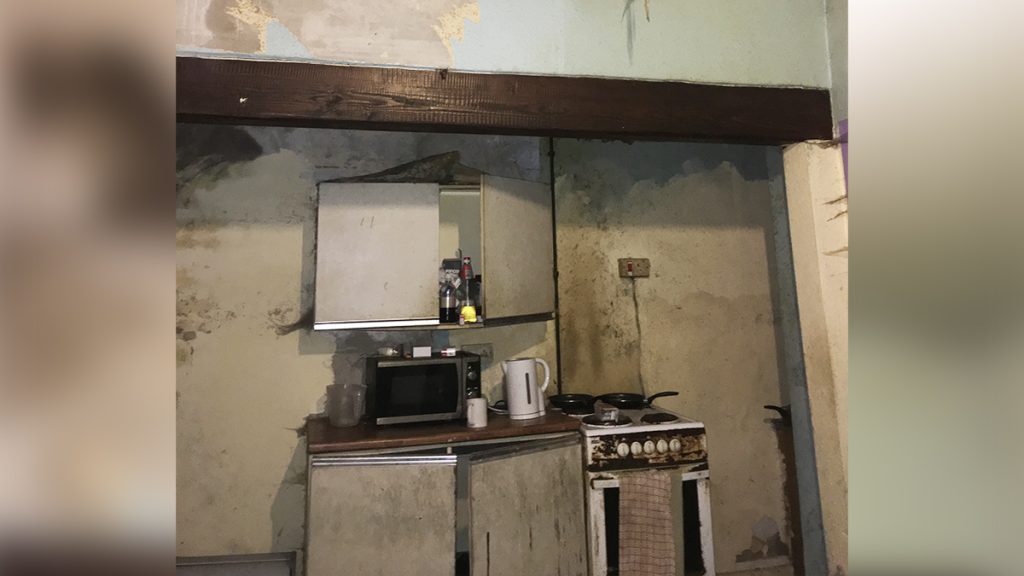
Dirty carpets. Cluttered rooms. Damp patches you’ve “got used to.”
Buyers haven’t got used to it. They see: neglected, problems, hassle.
You don’t need to renovate. But you do need to make it look cared for.
3. Inadequate marketing reach.
Listing on Facebook and Gumtree might work if you’re in a tiny village.
For everyone else, you need Rightmove and Zoopla. That’s where 90% of buyers start. If you’re not there, you’re invisible.
Buyer Qualification: The Critical Step Most Sellers Skip
I’ve bought hundreds of properties directly from sellers. The number one mistake private sellers make is not qualifying their buyers before wasting time on viewings and negotiations.
What you need to establish before you accept an offer:
- Mortgage in Principle or cash proof of funds. If they can’t show you they have the money, they’re not a buyer. They’re a time-waster.
- Chain position. First-time buyer (ideal, no chain)? Need to sell first (risky, as your sale depends on theirs)?
- Timeline. Do they need to move by a specific date, or are they browsing? Buyers with a deadline are more motivated.
Ask these questions before you accept an offer:
- “Do you have a Mortgage in Principle? Can I see it?”
- “Are you selling a property, or are you a first-time buyer?”
- “What’s your ideal completion date?”
- “Is there anything that might delay or prevent this purchase going ahead?”
If they get defensive or evasive, that’s a red flag. Serious buyers understand these are reasonable questions.
Consumer Protection: What You Lose Without an Agent
Estate agents in England must be registered with a government-approved redress scheme like The Property Ombudsman.
Private sellers have no such framework.
No redress scheme. No ombudsman. No regulatory oversight.
That means:
- Buyers have no recourse if you mis-sell the property (beyond expensive legal action)
- You have no professional indemnity insurance covering mistakes
- If something goes wrong, it’s your personal liability
If you misrepresent the property (even unintentionally), the buyer can sue you. And you won’t have an agency’s insurance or legal team to back you up.
Be honest. Be thorough. Don’t hide problems.
Private Sale vs Estate Agent vs Cash Buyer: Which Is Right for You?
| Factor | Private Sale | Estate Agent | Cash Buyer |
|---|---|---|---|
| Timeline | 16-20 weeks avg | 16-20 weeks avg | 28 days avg |
| Sale price | Market value | Market value | 75-85% of market value |
| Fees | £1,000-£3,000 | £5,000-£7,000 (£300k property) | £0 |
| Net proceeds (£300k property) | ~£297,500 | ~£289,000-£294,000 | ~£240,000 (guaranteed) |
| Fall-through risk | ~20% | ~20% | Near zero |
| Your time | 100+ hours | Minimal | Minimal |
| Sales progression | You chase solicitors | Agent chases | Buyer’s team chases |
When a private sale makes sense:
- You already have a buyer (neighbour, family, previous viewer)
- You’re time-rich and happy to project-manage the sale
- You’re confident pricing, marketing, and negotiating
- The property is straightforward (no chain, no complications)
When an estate agent makes sense:
- You want maximum price and are willing to wait 4-6 months
- You’re time-poor and want professional support
- The property is in a chain or has complications
When a cash buyer makes sense:
- You’re under time pressure (repossession, probate deadline, relocation)
- You need certainty over maximum price
- You’ve tried the open market and it hasn’t worked
- The property has issues that make it hard to sell traditionally
There’s no one-size-fits-all answer. It depends on your circumstances, timeline, and priorities.
Conclusion: Is Selling Without an Estate Agent Worth It?
Can you sell your house without an estate agent? Yes.
Should you? Depends.
If you have time, you’re organised, and you already have a buyer or strong local interest, a private sale can work brilliantly.
But if you’re under pressure, time-poor, or don’t have the confidence to manage marketing, viewings, and sales progression yourself, the money you save on agent fees can easily evaporate in wasted time and deals that collapse.
The sales progression gap is real. When deals drift for 12-16 weeks and then fall through, you’re worse off than if you’d paid the agent in the first place.
My honest take?
If you have time and aren’t under pressure, try the open market first (whether with an agent or privately).
But if you need speed and certainty (if you’re facing repossession, stuck in a broken chain, or need to relocate for work), then the trade-off shifts. A guaranteed sale at 80% beats a theoretical sale at 95% that might never happen.
That’s where cash buyers like us come in. We’re not the right fit for everyone. But for sellers who value certainty and speed, we can offer something the open market can’t: a guaranteed completion date you can plan your life around.
Get a free, no-obligation cash offer from Property Rescue. No fees. No legal costs if you use our recommended solicitor. No pressure. Call 020 8634 0224 or get your free cash offer today.