Key Takeaways
- Kitchens are the costliest room to renovate, typically £8,000 to £25,000+ in 2026
- Bathrooms come second at £4,500 to £11,000
- Bedrooms and living rooms cost far less: £1,500 to £8,000
- A kitchen renovation can add up to 10% to your property’s value
- Keeping your existing layout is the single biggest way to save money
If you’re about to renovate your home, here’s the number that’ll make you wince: a mid-range kitchen renovation in the UK now costs between £10,000 and £25,000.
That’s more than most bathrooms, bedrooms, and living rooms combined.
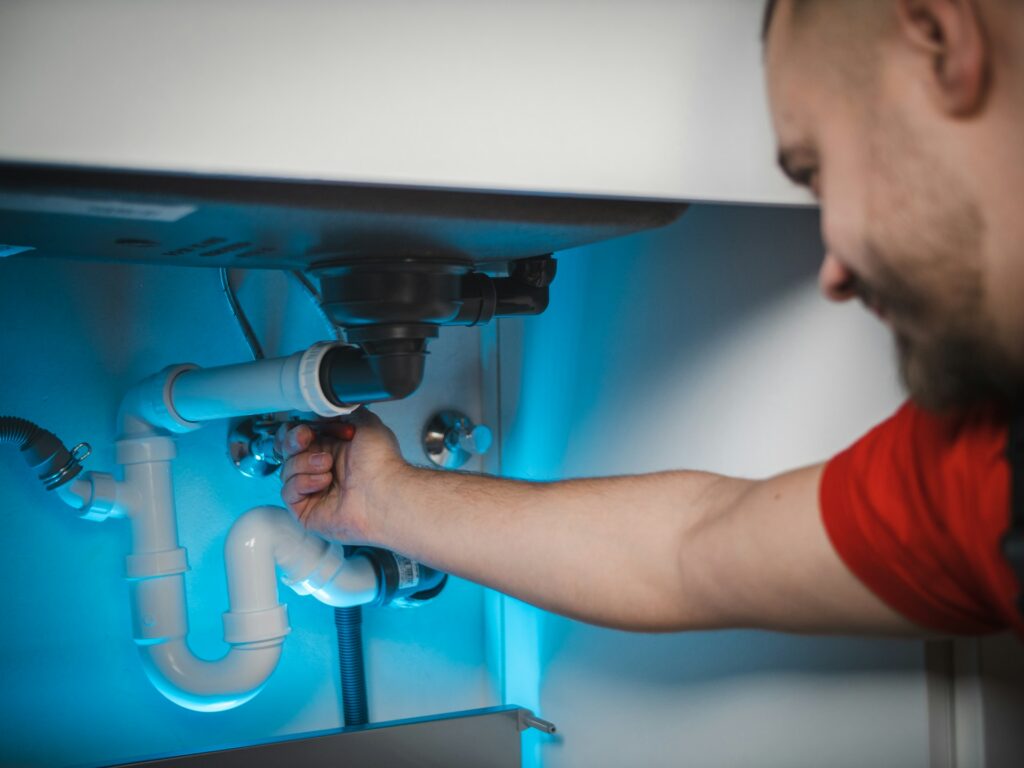
But here’s what most people miss. It’s not just about the shiny worktops and the new oven. The real reason kitchens cost so much is everything you can’t see — the plumbing, the electrics, the gas, the extraction. All happening behind the walls.
Let me break it all down.
Why Kitchens Are the Most Expensive Room to Renovate
Kitchens are uniquely expensive because they need multiple trades working together.
Think about it. A bedroom renovation might need a decorator and a carpet fitter. A kitchen needs a plumber, electrician, gas engineer, tiler, joiner, and sometimes a plasterer — all before you’ve even picked out your units.
Here’s what eats the budget:
- Cabinetry and units — £3,000 to £15,000 depending on off-the-shelf vs bespoke
- Worktops — laminate starts at £100, but quartz or granite runs £1,500 to £5,000+
- Appliances — £2,000 to £8,000 for a full set (oven, hob, extractor, fridge, dishwasher)
- Plumbing and electrics — £1,500 to £5,000, especially if you’re moving the sink or adding sockets
- Labour — £250 to £350 per day for a kitchen fitter, and the job typically takes 1 to 3 weeks
And here’s the thing. You can’t really half-renovate a kitchen. Once you start pulling out units, you’re committed. The flooring needs replacing, the walls need replastering, the lighting needs updating. It snowballs.
That’s why the average kitchen renovation sits around £10,000 to £20,000 all-in (Which?, 2026).
How Every Room Compares (2026 Costs)
Here’s a room-by-room comparison so you can see where kitchens sit relative to everything else:
| Room | Budget | Mid-Range | High-End |
|---|---|---|---|
| Kitchen | £6,000 – £10,000 | £10,000 – £25,000 | £25,000 – £50,000+ |
| Bathroom | £3,000 – £5,000 | £5,000 – £11,000 | £11,000 – £20,000+ |
| Living Room | £2,000 – £4,000 | £4,000 – £8,000 | £8,000 – £15,000 |
| Bedroom | £1,500 – £3,000 | £3,000 – £6,000 | £6,000 – £12,000+ |
Sources: Checkatrade, 2026; MyJobQuote, 2026
Bathrooms: The Second Most Expensive
Bathrooms are the runner-up for similar reasons to kitchens — plumbing, tiling, and waterproofing all push costs up.
A standard bathroom renovation costs £4,500 to £11,000, with labour making up 40% to 60% of the total bill (Federation of Master Builders). London adds 12 to 18% on top of that.
Living Rooms and Bedrooms: Why They’re Cheaper
Living rooms and bedrooms are simpler. No plumbing. No waterproofing. No gas.
A living room refresh — new flooring, paint, lighting — can be done for £2,000 to £4,000. Bedrooms are even cheaper unless you’re building in wardrobes or adding an en-suite.
The fewer trades involved, the lower the bill. It really is that straightforward.
What’s the Most Expensive Part of Any Renovation?
Across every room, three things consistently blow budgets:
- Structural changes. Knocking through walls, relocating doorways, or removing chimneys. This is where costs jump from thousands to tens of thousands — and you’ll need a structural engineer (£500 to £1,500) plus Building Regulations approval.
- Plumbing and electrics. Moving a radiator is £200 to £500. Moving a boiler is £1,500 to £3,000+. Rewiring a kitchen circuit is £1,000 to £2,500. These are the hidden costs that catch people out.
- Materials. The gap between laminate and granite worktops is thousands of pounds. The gap between standard tiles and large-format porcelain is hundreds per square metre.
And if you’re thinking really big? Loft conversions (£40,000 to £80,000) and extensions (£30,000 to £85,000+) make even a luxury kitchen look affordable by comparison (HomeOwners Alliance, 2026).
Do Expensive Renovations Actually Add Value?
This is the question everyone should ask before spending a penny.
Here’s what the data says:
- Kitchen renovation — adds up to 10% to property value
- Loft conversion — adds up to 20%
- Bathroom upgrade — adds up to 6%
- EPC improvement (e.g. D to B rating) — adds up to 14%
On average, a renovation adds about 9% to a UK home’s value, which works out to roughly £24,000 on the average property (HomeOwners Alliance, 2025).
But here’s the reality check. UK homeowners typically recover around 70% of what they spend. A £20,000 kitchen might only add £14,000 to your sale price.
So the renovation has to make sense for you — not just for the next buyer.
Smart Ways to Cut Your Renovation Costs
You don’t need to spend a fortune to get a good result. Here’s where experienced renovators save the most:
- Keep the same layout. Moving the sink, cooker, or boiler means rerouting plumbing and electrics. That alone can add £2,000 to £5,000. If the current layout works, keep it.
- Invest where it counts. Spend on worktops and appliances — they’re what you touch and use every day. Save on door fronts, splashbacks, and handles.
- Get at least three quotes. Prices vary enormously by contractor. Three quotes is the minimum.
- Phase room by room. If budget’s tight, do one room at a time. Kitchens and bathrooms first (biggest impact), bedrooms last.
- Budget a 10–15% contingency. Something unexpected always comes up. Rotten joists, dodgy wiring, asbestos in old Artex. Plan for it.
Did You Know?
If you’re renovating a property that’s been empty for two years or more, the VAT on qualifying building work drops from 20% to just 5%. That could save you thousands on a big renovation.
Not everything qualifies — carpets, landscaping, and most professional fees are still standard-rated — but the savings on construction work and building materials can be significant. Note: the 5% rate only applies when materials are supplied and installed by a VAT-registered contractor. If you buy materials directly for DIY, you’ll pay 20% VAT.
Source: HMRC VAT Notice 708, 2024
VAT Saving on Energy Upgrades
If you’re having solar panels, heat pumps, or insulation professionally installed as part of your renovation, VAT is currently zero-rated (0%) until 31 March 2027. The 0% rate only applies when a professional contractor supplies and installs the materials — DIY purchases remain at 20% VAT.
Source: HMRC, 2022
When Renovating Isn’t Worth It
Sometimes the smartest move is not renovating at all.
If a property needs work on every front — new kitchen, new bathroom, rewiring, replastering, new windows — the costs add up fast. A full house renovation for a 3-bedroom property can easily hit £40,000 to £120,000.
At that point, you need to ask: will I actually get this money back when I sell?
If you’re selling because of financial pressure, a relationship breakdown, or an inherited property you don’t want to manage, pouring tens of thousands into renovation might not make sense. You’d be spending months on a project and taking on risk — when what you actually need is certainty and speed.
That’s where selling to a cash buyer can work. No renovation needed. No estate agent fees. No chain. You sell the property as it is, and the buyer takes on the work.
It’s not right for everyone. But if the renovation bill is eating into the money you’d make from the sale, it’s worth considering.
Need to Sell Your Property Quickly?
Get a no-obligation cash offer within 24 hours.
Important
This article is for general information only and does not constitute financial, tax, or legal advice. VAT rules can change — always check the latest guidance from HMRC or speak to a qualified accountant before making renovation decisions based on VAT savings. Property values and renovation costs vary by region and property type.
Get a free, no-obligation cash offer from Property Rescue. No fees. No legal pack. No risk. Call 020 8634 0224 or get your free cash offer online.